Rohit Baniwal, writer
Brief news
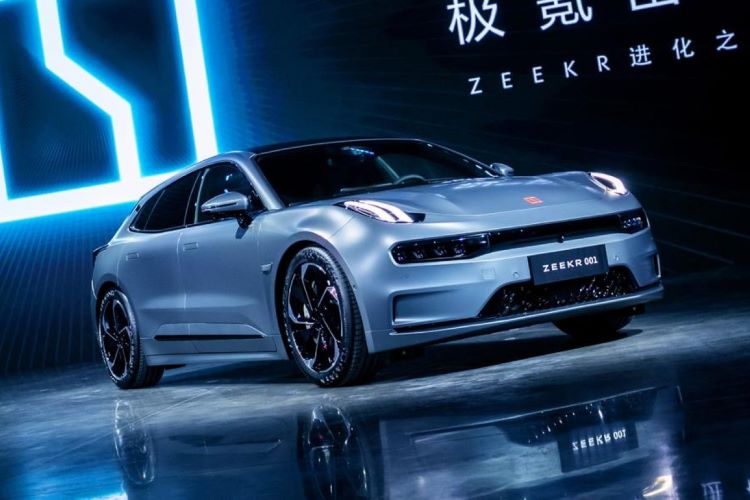
Chinese electric car manufacturer Zeekr delivered a record number of vehicles in June, making its first half of the year deliveries the highest among U.S.-listed Chinese businesses selling pure electric automobiles. Nio also delivered a record 21,209 vehicles in June, slightly higher than its 87,426 deliveries for the first six months of 2024. Xpeng remained a laggard, delivering 52,328 cars in the first half of the year. Li Auto remained the top, even including hybrid cars, with 47,774 vehicles delivered in June. Huawei’s Aito brand with Seres also delivered 184,286 units. Xiaomi claimed to have delivered more than 10,000 cars in June, increasing total shipments to China over 25,000.
Illustrated news
BEIJING — Monday, Chinese electric car manufacturer Zeekr said that it delivered a record number of vehicles in June, making its first half of the year deliveries the highest among U.S.-listed Chinese businesses just selling 100% electric automobiles.
Last month, Geely-owned Zeekr delivered 20,106 automobiles, adding year-to- date deliveries of 87,870 vehicles.
Although Nio continues to rebound from slow performance earlier in the year with a record 21,209 deliveries in June, it is somewhat higher than Nio’s 87,426 deliveries for the first six months of 2024.
Xpeng stayed a laggard, delivering 52,328 cars overall in the first half of the year, including 10,648 vehicles in June.
When hybrid cars were taken into account, Li Auto was still by far the winner. For the first half of the year, it delivered 188,981 cars, including 47,774 in June. Most of the company’s cars have a petrol tank that lets the battery last longer.
To prolong the running range of the battery, most of the company’s vehicles have a petrol tank.
While Li Auto and Nio both saw shares climb by more than 6%, Zeekr dropped 3.2% in U.S. trade overnight. Xpeng’s share rise was around 5.2%.
Also providing hybrids, Huawei’s jointly established Aito brand with automobile maker Seres delivered 184,286 units in the first half of the year.
Since the Hong Kong-listed business introduced its electric SU7 in late March, Smartphone and home appliance manufacturer Xiaomi claimed to have delivered more than 10,000 cars in June, increasing total shipments to Chinese than 25,000.
Up over 29% from a year earlier, BYD shipped 1.6 million new energy passenger vehicles in the first half of the year. With 39.5% compared to 17.7%, plug-in hybrid cars accounted for a somewhat higher percentage than battery-only cars. Their rise was also faster.
Given range anxiety is a major worry for customers in China, that highlights how much of China’s new energy vehicle sales are driven by hybrid-powered vehicles rather than strictly battery-powered ones.
Wan Gang, the man credited with driving China’s electric car policy, stated at a conference last week that car manufacturers must streamline the battery charging procedure.
Based on China Passenger Car Association statistics, which offers information mid-month for the previous month, China’s new energy vehicle sales have surged this year to account for 47% of all passenger cars sold in May. From 32% penetration at year’s beginning, it is risen.
China this year has started a trade-in programme to encourage new energy vehicle sales as part of initiatives to increase consumption. To be competitive, several businesses have also cut costs; moreover, they unveiled new automobiles at the Beijing auto show, which closed May 5.
Source : CNBC News