Brief news
China controls the supply chain for essential minerals, including tungsten, which is crucial in guns, cars, batteries, electronics, and industrial cutting equipment. However, China has not imposed broad limits on tungsten, which is nearly as hard as diamond and has great energy density. The Biden administration doubled tungsten import taxes in May, but China did not include the metal in new rare earths manufacturing restrictions this weekend. The Chinese Ministry of Commerce spokeswoman He Yadong did not respond to the increased U.S. tungsten tariffs last month, instead asking the U.S. to eliminate the tariffs. Diversifying away from China should assist Black’s firm, as the South Korean mine may generate 50% of the world’s ex-China tungsten. Demand for non-Chinese tungsten is rising, with U.S. and European companies asking suppliers for China-free supply chains. Tungsten prices have reached multi-year highs due to increasing demand and restricted supplies. China’s rare earth mineral domination threatens the U.S., with tungsten supply nearing an inflection point and switching from net seller to buyer in 12-18 months. Other non-Chinese tungsten suppliers are heading to South Korea, with Warren Buffett’s IMC Group affiliate IMC Endmill inking a 130 billion Korean won investment deal with the Daegu city government in February for a tungsten powder production facility.
Illustrated news
BEIJING— China controls the supply chain for several essential minerals, but it hasn’t imposed broad limits on tungsten.
Nearly as hard as diamond, the metal possesses great energy density. That makes tungsten crucial in guns, cars, batteries, electronics, and industrial cutting equipment. Nvidia and Taiwan Semiconductor Manufacturing Company use the metal.
I don’t foresee any saber-rattling about tungsten’, said Lewis Black, CEO of Canada-based Almonty Industries, which is spending at least $75 million to revive a South Korean tungsten mine later this year.
He said that “tungsten has always been a diplomatic metal” and that “if you get too belligerent about diversification, [it becomes] biting the hand that feeds you.”
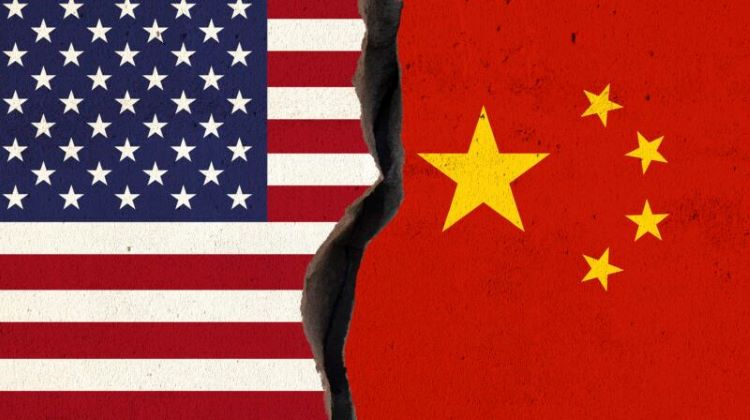
Tungsten import taxes were doubled by the Biden administration in May, but China did not include the metal in new rare earths manufacturing restrictions this weekend.
“The tariffs were more of a warning shot, as Biden only tariffed three of China’s 25 strategic metals,” Black added.
“China may not be too concerned because the Chinese government ignored the new tariffs, unlike when they restricted rare earth exports. They disregarded it because the Chinese don’t want tensions.”
Chinese Ministry of Commerce spokeswoman He Yadong did not respond to the increased U.S. tungsten tariffs last month. Instead, he asked the U.S. to eliminate the tariffs.
Fastmarkets reported earlier this year that China has limited tungsten mining output limitations owing to environmental concerns.
Diversifying from China
Diversifying away from China should assist Black’s firm. The South Korean mine may generate 50% of the world’s ex-China tungsten, according to Almonty.
Demand for non-Chinese tungsten is rising.
Michael Dornhofer, founder of metals consultancy business Independent Supply Business Partner, said U.S. and European companies ask suppliers for China-free supply chains.
Almonty Industries reported that the U.S. REEShore Act of 2022 prohibits the use of Chinese tungsten in military equipment starting in 2026, and the European Commission last year extended tariffs on imported Chinese tungsten carbide for five years.
Last month, the House Select Committee on Strategic Competition between the US and the CCP established a vital minerals policy working group.
Rising tungsten prices
Although prices have dropped in recent weeks, tungsten prices rose to multi-year highs due to increasing demand and restricted supplies.
Dornhofer claimed in a late May interview that Chinese purchasers were buying more tungsten.
He added since the start of the year, they are asking for Western concentrate and buying large amounts at prices higher than Western corporations are ready to pay. “Definitely a game changer.”
China’s rare earth mineral domination threatens the U.S.
In January, U.S. research company Macro Ops claimed tungsten supply is nearing an inflection point. Tungsten will run out soon in the US and switch from net seller to buyer in 12-18 months.
The Department of Commerce’s Bureau of Industry and Security did not reply to CNBC’s request for comment.
In an email, Macro Ops head of investment research Brandon Beylo told CNBC there are only six U.S. tungsten producers. He noted that the U.S. hasn’t produced tungsten since 2015, so future supplies must come from outside.
Though the business doesn’t hold tungsten-related equities, he’s searching for methods to get it. There are no tungsten futures.
Other South Korea-bound tungsten players
Chinese imports of tungsten from North Korea, central Africa, and Myanmar account for almost 80% of the supply chain, but local production costs are growing as mines age, according to Argus.
“This presents an opportunity for projects outside China,” said Argus partner, consulting and analytics Mark Seddon in a June 28 webinar.
Other non-Chinese tungsten suppliers are heading to South Korea.
According to local news reports, Warren Buffett’s IMC Group affiliate IMC Endmill inked a 130 billion Korean won ($93.6 million) investment deal with the Daegu city government in February for a tungsten powder production facility.
IMC Group did not reply to CNBC’s request for comment.
China dominates global key minerals supply networks for decades.
Dornhofer noted that plans for a New Brunswick, Canada, mine that would have boosted world tungsten capacity had stalled for years.
All these initiatives have been considered for 20 years, he added. People say they’ll be open in two or three years; you decide if you believe them. However, tungsten is underground. Still there.”
Almonty, the largest tungsten production outside China, operates in Portugal and Spain. SAGDONG, South Korea’s future mine closed in the 1990s.
After the mine reopens later this year, Black expects his business to produce 7%–8% of world tungsten.
“We’re not crowding out Chinese,” he remarked. “We won’t.”
In order to create 30% to 40%, I’d have to fight China, which would be foolish.”