
●Anamika Dey, editor
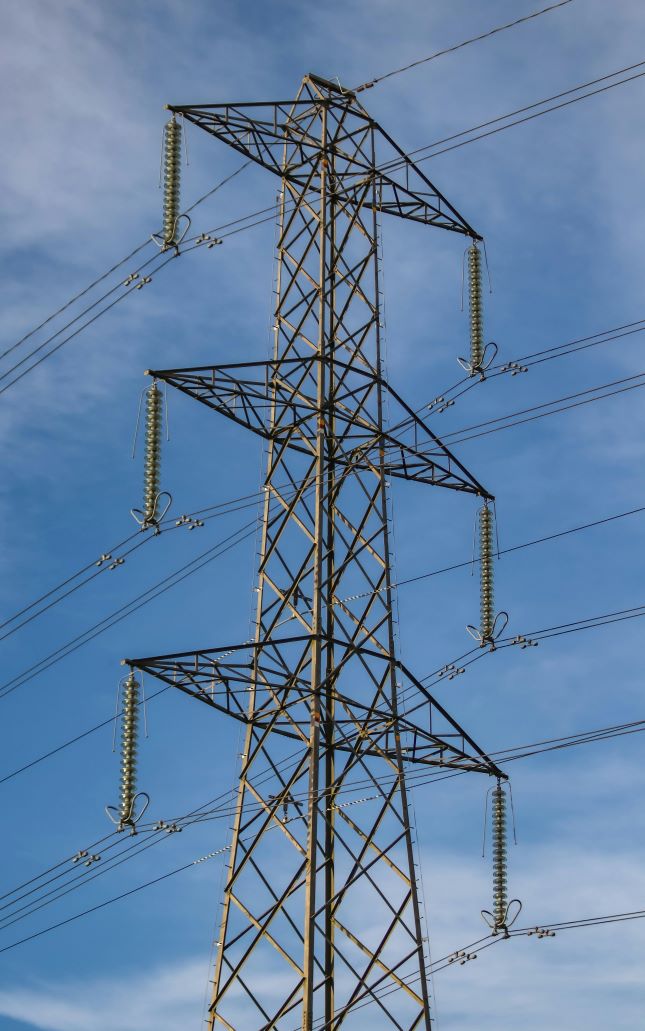
US electricity costs rose nearly 7% last year — double the rate of inflation — costing the average American household $123 more in 2025. The culprit, according to Senator Bernie Sanders and Rep. Alexandria Ocasio-Cortez: AI data centers. On March 25, 2026, they introduced the AI Data Center Moratorium Act — a federal bill that would immediately freeze all new AI data center construction in the United States until Congress passes comprehensive laws protecting workers, consumers and the environment. Over 100 local American communities have already passed their own moratoriums. The bill won’t pass — but it has changed the political debate about AI forever.
May 7, 2026 • By World Affairs Desk, techsunnews.com • 8 min read • Sources: Sanders.senate.gov, PBS NewsHour, Roll Call, Axios, Democracy Now!, Food & Water Watch
AI DATA CENTER ENERGY CRISIS — BY THE NUMBERS
| Electricity rise
7% Last year — 2x inflation |
Avg household cost
$123 more Extra per year in 2025 |
Communities that banned
100+ Local moratoriums passed |
States with ban proposals
12 State moratoriums pending |
KEY POINTS
|
[AD UNIT 1 — Place leaderboard or in-article ad here]
Your electricity bill — and who is paying for Big Tech’s AI
The average American household does not think about data centers when they open their electricity bill. But the numbers are starting to tell a story. US electricity costs rose nearly 7% last year — double the overall rate of inflation. The average household paid $123 more for electricity in 2025 than the year before. In the PJM grid region — which covers 13 states from Illinois to the Mid-Atlantic coast — total power supply costs jumped from $2.2 billion to $14.7 billion in a single year. Supporters of the Sanders-AOC bill point to estimates suggesting data centers accounted for nearly two-thirds of that increase, though energy analysts note that electricity pricing is influenced by multiple factors including grid infrastructure, fuel costs and rising overall demand.
“We cannot sit back and allow a handful of billionaire Big Tech oligarchs to make decisions that will reshape our economy, our democracy and the future of humanity.”
— Senator Bernie Sanders, introducing the AI Data Center Moratorium Act, March 25, 2026
What the bill would actually do — and what it would stop
The AI Data Center Moratorium Act is not a permanent ban. It is a pause — an immediate federal freeze on all new AI data center construction until Congress passes three separate laws. The bill targets data centers “used for the development or operation of artificial intelligence models at scale” that exceed certain electricity loads. Under the bill, the freeze can only be lifted when: workers are protected from AI-driven job loss with guaranteed benefits; consumers are shielded from electricity price increases caused by data centers; and AI products cannot harm public health, privacy or civil rights. Given the current Congress, Roll Call noted, satisfying all three conditions could take years.
[AD UNIT 2 — Place mid-article ad here]
Sanders vs Trump — the sharpest AI policy clash in American politics
AI DATA CENTER POLICY — SANDERS VS TRUMP
| Issue | Sanders + AOC | Trump + Republicans |
|---|---|---|
| New data centers | Immediate federal freeze | Build as fast as possible |
| Electricity prices | AI centers raising bills | Moratoriums = China wins |
| AI regulation | Comprehensive federal law first | Preempt state laws, back industry |
| Worker protection | Guarantee jobs before AI expands | Market will solve it |
| Environment | Data centers harm communities | Economic growth priority |
| China competition | Safety first, then compete | Can’t afford to slow down |
The contrast could not be sharper. The Trump administration released an AI policy framework the week before the Sanders-AOC bill — calling on Congress to “preempt state AI laws” it views as too burdensome. Trump personally pushed back against concerns about electricity prices, saying data centers need “some PR help” and dismissing the electricity connection. Secretary Burgum called any moratorium a “surrender flag to China.” AOC fired back directly: “We must choose humanity over profit.”
100 communities have already said no — your town could be next
The Sanders-AOC bill is not arriving in a political vacuum. More than 100 local American communities have already enacted their own local moratoriums on data center construction — from small towns in Virginia to suburbs of Chicago. Twelve states are pushing forward with statewide proposals. Vermont has its own state bill. The pressure is building from the ground up. Local officials, school boards and city councils are acting because their residents are seeing the electricity bills — and connecting them to the new data centers being built on the edge of town. The Sanders-AOC bill would simply make what 100 communities have already decided into a national law.
WHAT DO YOU THINK? AI DATA CENTERS RAISED THE AVERAGE AMERICAN’S ELECTRICITY BILL BY $123 LAST YEAR. SANDERS AND AOC WANT TO FREEZE ALL NEW AI DATA CENTERS. TRUMP SAYS THAT HANDS VICTORY TO CHINA. WHO IS RIGHT — AND ARE YOU WILLING TO PAY MORE FOR ELECTRICITY SO AMERICA CAN WIN THE AI RACE? DROP YOUR ANSWER IN THE COMMENTS! 👇
[AD UNIT 3 — Place ad before FAQ]
Frequently asked questions
What is the AI Data Center Moratorium Act?
The AI Data Center Moratorium Act is a federal bill introduced by Senator Bernie Sanders and Rep. Alexandria Ocasio-Cortez on March 25, 2026. It would immediately ban construction of all new AI data centers in the US until Congress passes three separate laws covering AI safety, worker protection and energy cost controls. The freeze applies to data centers used for AI model development that exceed certain electricity consumption thresholds.
Why are AI data centers raising electricity bills?
AI model training and inference requires enormous amounts of electricity — far more than traditional computing. In the PJM grid region — covering 13 states — power supply costs jumped from $2.2 billion to $14.7 billion in a single year, with data centers accounting for nearly two-thirds of the increase. As Big Tech companies build more data centers to support AI, local electricity grids are strained and costs rise for all consumers in those regions.
Will the bill pass in Congress?
Almost certainly not in the near term. The Republican-controlled Congress strongly opposes the bill. Roll Call noted the bill is “unlikely to advance under Republican control.” Senator Fetterman said he refuses to help hand the AI lead to China. The Trump administration actively opposes any moratorium. However, the bill has already shifted the political debate — and the 100+ local and 12 state-level moratoriums show that grassroots pressure is building regardless of what Congress does.
Does this affect India?
India is the world’s fastest-growing AI data center market. The energy and environmental concerns driving the US bill are equally relevant to India — where new data centers in Pune, Hyderabad, Mumbai and Chennai are straining local power grids. India does not have equivalent legislation. As AI adoption accelerates, Indian state governments may face the same electricity cost pressures that have already prompted 100+ American communities to act. The question of who pays for AI infrastructure is becoming a global issue.
SOURCES — 8 verified portals
1. Sanders.senate.gov — Sanders, Ocasio-Cortez Announce AI Data Center Moratorium Act (March 25, 2026)
3. Roll Call — Data center moratorium pitched as counter to AI impacts (March 25, 2026)
4. Axios — Sanders and AOC unveil data center moratorium bill (March 25, 2026)
8. TechStartups — AI Data Center Moratorium Act: Debate reaches peak May 4, 2026 (May 2026)
| DISCLAIMER: This article is based on 8 verified sources as of May 7, 2026. The AI Data Center Moratorium Act was introduced on March 25, 2026 and is not expected to pass the current Congress. Electricity cost figures are from the Democracy Now!/Sanders office reporting citing 2025 data. The debate over the bill has continued to gain public attention through May 2026. This article does not constitute political or investment advice. |
You Might Also Like

 EU Approves €90 Billion ($106B) Ukraine Loan After Hungary Finally Drops Its Veto — Russia Shadow Fleet Sanctioned, Druzhba Pipeline Resumes
 Musk vs Altman: 5 Biggest Moments from Week 1 of the OpenAI Trial — And What Happens When Altman Takes the Stand Monday

4 thoughts on “Sanders and AOC: “We Cannot Allow Tech Billionaires to Raise Every American’s Electricity Bill” — New Bill Freezes All AI Data Centers US”