
Nandini Roy Choudhury, writer
By TechSun News Desk | techsunnews.com | Tech / AI | 6 min read
You have probably seen it everywhere by now on social media, in the news, maybe even your coworker keeps going on about it. But if you still aren’t quite sure what ChatGPT actually is or how it works, that’s completely fine. This guide is here to explain it in plain English, with no technical jargon.
By the end, you’ll know what ChatGPT is, what you can actually use it for, and whether it’s worth trying out.
So, What Exactly is ChatGPT?
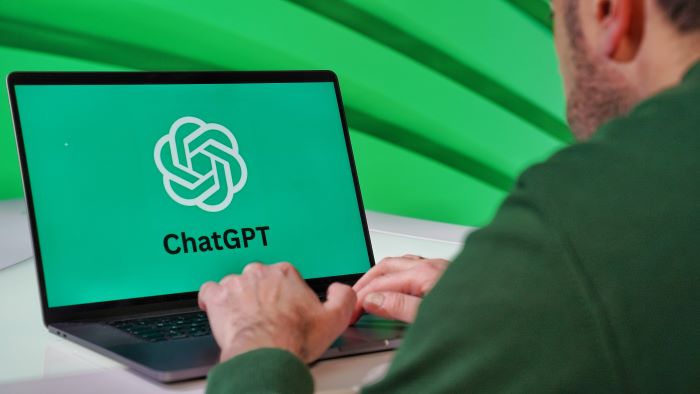
ChatGPT is an AI chatbot made by OpenAI. You type something a question, a task, an idea and it writes back in normal, conversational English. Think of it like texting a very well-read friend who never gets tired and always has an answer.
The ‘GPT’ part stands for Generative Pre-trained Transformer. That’s a mouthful, but here’s what it means simply: it’s a model trained on a huge amount of text from the internet, books, and other sources, so it learned how language works and how to respond naturally.
The latest version as of 2026 is GPT-4o, which can handle text, images, and even voice conversations.
How Does ChatGPT Actually Work?
You don’t need to understand the technical side to use it, but a basic picture helps.
ChatGPT was trained by feeding it massive amounts of text think billions of web pages, articles, books and having it learn patterns in language. When you ask it something, it doesn’t ‘search the internet’ like Google does. Instead, it predicts what the most useful, natural response would be based on everything it learned.
This is why it can write essays, explain complex topics, summarise documents, or even crack jokes. But it’s also why it can sometimes get things wrong it’s generating language, not always facts.
For a deeper look at how AI is reshaping the way we find information, read our article on How AI Is Changing Google Search Forever.
What Can You Use ChatGPT For?

Honestly, quite a lot. Here are some common real-world uses:
- Writing help — emails, cover letters, social media captions, blog posts
- Studying — explaining difficult concepts, making summaries, creating quizzes
- Coding — writing, explaining, or debugging code
- Brainstorming — business ideas, article topics, gift ideas, travel plans
- Translation — converting text between dozens of languages
- Customer service drafts — replies to clients, complaint responses
Students in particular are finding it very useful. We’ve put together a list of the best AI chatbots for students in 2026 if you want to compare your options.
Is ChatGPT Free?
Yes, there’s a free version that most people start with. You get access to GPT-4o (with some usage limits), and it works well for everyday tasks.
ChatGPT Plus costs $20/month and gives you faster responses, higher usage limits, and access to newer features first. There’s also a Team and Enterprise plan for businesses.
For most casual users, the free tier is more than enough to get started.
ChatGPT vs Google — What’s the Difference?
This is probably the most common question people ask. They look similar — you type something and get an answer but they work very differently.
Google searches the live web and pulls up links and snippets from actual websites. ChatGPT generates a response based on what it was trained on it doesn’t browse the web in real-time (unless you specifically use a plugin or the browsing mode).
Google is better for: current news, finding specific websites, shopping, local searches.
ChatGPT is better for: writing, explaining, summarising, creating content, having a back-and-forth conversation.
Curious how these AI tools stack up against each other in detail? Check out our full breakdown: ChatGPT vs Gemini vs Claude — Which AI Is Actually Best in 2026?
Should You Be Worried About ChatGPT?
That depends on how you use it. There are genuine things worth knowing about.
ChatGPT can make things up this is called ‘hallucination’ in AI terms. It sounds confident even when it’s wrong. So if you’re using it for medical, legal, or financial questions, always double-check with a real professional.
There are also concerns about privacy, overuse, and people becoming too dependent on it. We covered this honestly in our piece on the dark side of ChatGPT nobody talks about worth a read before you go all in.
And on the human side some people are forming strong emotional bonds with AI chatbots, which raises its own questions. We explored that too: Why People Are Becoming Emotionally Attached to AI Chatbots.
FAQ
1. Can ChatGPT replace Google?
Not really at least not yet. ChatGPT is great for writing and explanations, but Google is still better for real-time information, news, and finding specific websites. Most people use both depending on what they need.
2. Is ChatGPT safe to use?
Generally yes, but be careful about what you share with it. Don’t input personal details like passwords, financial information, or sensitive private data. OpenAI uses conversations to improve its models unless you opt out in the settings.
3. Do I need to be tech-savvy to use ChatGPT?
Not at all. If you can type a message on WhatsApp, you can use ChatGPT. Just go to chat.openai.com, sign up for free, and start typing. The interface is simple and anyone can pick it up within minutes.
Final Thoughts
ChatGPT is not magic, and it’s not perfect but it’s genuinely one of the most useful tools to come along in a while. Whether you’re a student, a small business owner, or just someone curious about AI, it’s worth at least trying the free version.
Start simple: ask it to explain something you’ve always found confusing, or ask it to help you write an email. You’ll get the hang of it quickly.
And if you want to stay up to date on everything happening in AI, bookmark TechSun News, we cover it daily.
techsunnews.com | Tech / AI | © 2026





4 thoughts on “What is ChatGPT? A Complete Beginner’s Guide (2026)”