By Anamika Dey, editor
What This Article Covers
|
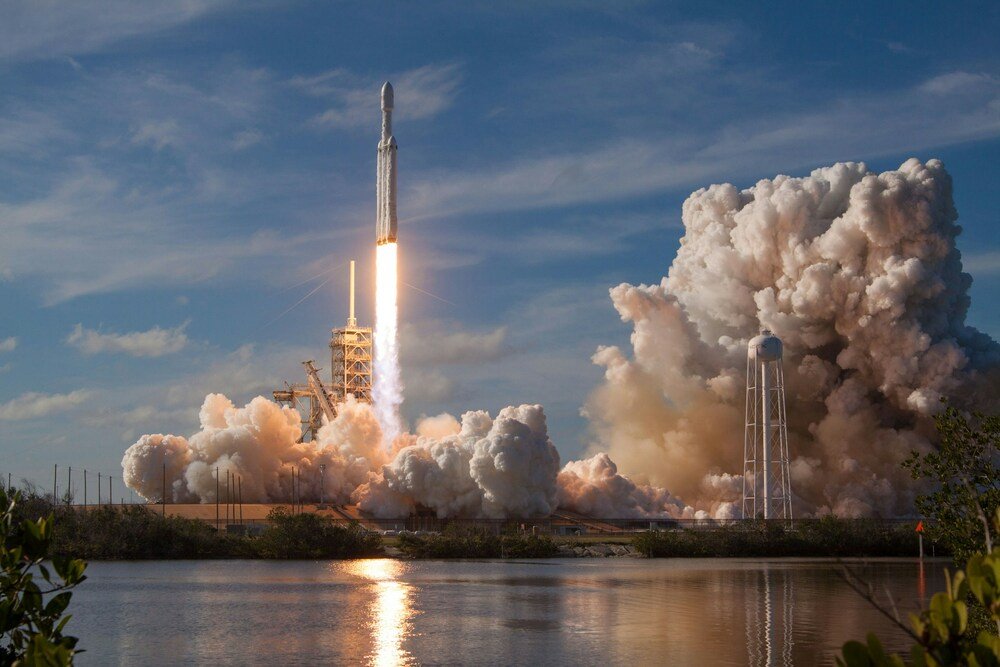
SpaceX Starship Flight 14 was supposed to lift off today. Instead, the launch pad at Starbase, Texas, is quiet, and the next shot at making history is now targeted for September 28.
SpaceX announced the six-day delay on September 17, moving Flight 14’s target date from September 22 to September 28, 2026. The company has not publicly explained why. The new date is also still pending regulatory approval, so even September 28 is a target, not a guarantee.
That would be a routine update for most Starship missions. This one is different. Flight 14 is planned as Starship’s first attempt to reach Earth orbit — a milestone SpaceX has been building toward across 13 suborbital test flights since the vehicle’s 2023 debut.
Why Was Starship Flight 14 Delayed?
SpaceX’s own Flight 14 mission page had listed September 22 as the target date, and outlets including Space.com and NASASpaceflight had reported that date as recently as September 15. Two days later, on September 17, SpaceX posted an update moving the target to September 28, giving no public reason for the change.
That absence of an explanation matters for how this should be reported. SpaceX has not identified a technical problem or a specific regulatory issue as the reason for the delay. The confirmed facts are simply that the date moved, and that the mission still needs sign-off before it can fly.
The current target has Starship lifting off during a 75-minute window opening at 8:15 a.m. EDT (7:15 a.m. local Texas time) on September 28, from SpaceX’s Starbase facility in South Texas.
Why Flight 14 Is Different From Every Earlier Starship Test
 Starship has flown 13 times, and every one of those flights has followed a suborbital trajectory — the vehicle went up, flew through much of its intended profile, and came back down without completing a full lap of the planet.
Flight 14 changes that. If it goes ahead as planned, Starship’s upper stage will attempt orbital insertion for the first time, then complete roughly six orbits of Earth over a mission expected to last close to 10 hours — dramatically longer than the roughly hour-long profile of previous flights.
The mission is also carrying a real payload for the first time: 26 next-generation Starlink V3 satellites, intended for deployment into an operational orbit rather than a test drop. That’s a meaningful shift from demonstration flight to working mission.
Flight 13 vs. Flight 14
| Starship Flight 13 | Starship Flight 14 | |
| Mission type | Suborbital test flight | First planned orbital flight |
| Main milestone | Continued vehicle testing | Attempt orbital insertion |
| Starlink V3 satellites | Carried, not deployed operationally | 26 planned for operational deployment |
| Reaches orbit | No | Yes, planned |
| Approx. mission duration | ~65 minutes | ~10 hours (six orbits) |
| Current status | Completed | Targeting September 28 |
What Will Starship Try to Do on Flight 14?
If the mission proceeds on or after September 28, Starship will attempt to:
- Reach Earth orbit for the first time
- Deploy 26 Starlink V3 satellites into orbit
- Complete approximately six orbits of Earth
- Perform a controlled reentry
- Splash down in the Pacific Ocean
The Super Heavy booster will fly its own separate profile, targeting a splashdown in the Gulf of Mexico. SpaceX will not attempt to catch either the booster or the ship with Starbase’s launch tower on this flight — that milestone has been pushed to a later mission, keeping the focus on getting the orbital attempt right first.
Why the September 28 Launch Matters
Starship sits at the center of SpaceX’s plans for a fully reusable, heavy-lift launch system — the vehicle the company is counting on for Starlink expansion, NASA’s Artemis lunar lander program, and its longer-term ambitions around Mars.
The Starship program has also become directly relevant to public investors since SpaceX’s June 2026 IPO, when the company began trading on the Nasdaq under the ticker SPCX. Read our earlier breakdown of SpaceX’s IPO and what it means for the company.
An orbital flight is a far more demanding test than anything Starship has attempted so far. Reaching orbit, operating there for hours, deploying real satellites, and surviving reentry all have to work — not just the launch and ascent that previous flights have already proven out.
In other words, the question SpaceX is now trying to answer isn’t whether Starship can leave the pad. It’s whether the system can function as a genuine orbital spacecraft — hardware meant to carry the company’s roadmap for years.
For more on another major hardware shift this year, see our explainer on whether foldable phones are actually worth it in 2026.
What Happens Next
 The immediate milestones are regulatory approval and final launch preparations at Starbase. SpaceX has already been moving hardware into position, with a Super Heavy booster arriving at the pad on September 21 as teams continued preparing for the orbital attempt.
September 28 should be treated as a target date, not a locked-in launch date — the same way September 22 was, right up until it wasn’t. If the mission slips again, SpaceX would set a new target, as it has done throughout Starship’s development.
The Bottom Line
|
Editor’s Observation
|
Do you think Starship reaches orbit on the first try, or is another delay ahead? Let us know in the comments.
FAQs
When is SpaceX Starship Flight 14 scheduled?
SpaceX is currently targeting September 28, 2026, pending regulatory approval.
Why was Starship Flight 14 delayed?
SpaceX moved the target from September 22 to September 28 but has not publicly given a specific reason for the change.
Is Flight 14 Starship’s first orbital flight?
Yes. All 13 previous Starship flights followed suborbital trajectories. Flight 14 is planned as the first attempt to reach Earth orbit, completing roughly six orbits before reentry.
Internal Links Used
1. Anchor: “iPhone Duo” → Apple iPhone Duo Is Here: The Foldable iPhone, New CEO and Biggest Design Shift Explained
2. Anchor: “foldable phones are actually worth it in 2026” → Foldable Phones Explained: Are They Actually Worth It in 2026?
3. (Not used in body — optional add) “AI leaders talking about slowing down AI” → Why Are AI Leaders Suddenly Talking About Slowing Down AI?
Note: links 1 and 2 are both worked into the body, in the closing paragraph of “Why the September 28 Launch Matters.” Link 3 (AI slowdown) didn’t have a natural fit in a rocket-launch piece, so I left it out rather than force it in — happy to add it if you want a specific spot for it.
External Sources
SpaceX — Starship Flight 14 mission page
Space.com — SpaceX pushes next Starship launch back to Sept. 28
Spaceflight Now — Super Heavy booster arrives at pad ahead of first orbital Starship launch