
Nandini Roy Choudhury, writer
By TechSun News Desk | techsunnews.com | June 13, 2026 | Tech / Smartphones | 5 min read
You have to hand it to them — the marketing was bold.
The Trump Mobile T1 was launched with American flags, patriotic slogans, and the promise of a phone built with “American-proud design.” It sold for $499. Supporters lined up to buy it.
Then iFixit — the repair and teardown specialists who take phones apart for a living — got their hands on one this week. And what they found inside was not exactly what the packaging suggested.
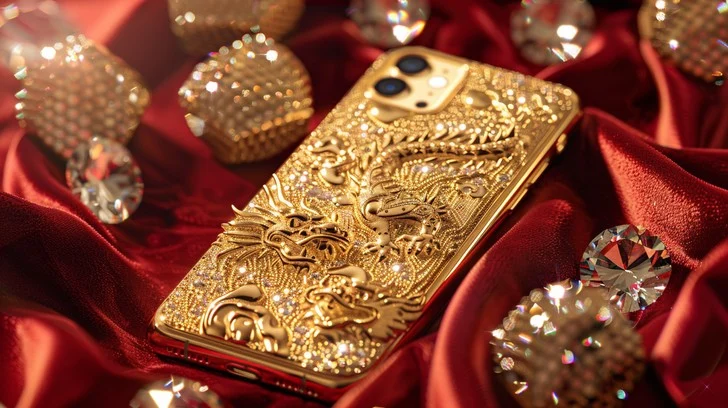
It is an HTC U24 Pro. A Taiwanese phone launched in 2024. With a gold paint job. And a $100 markup.
What iFixit Actually Found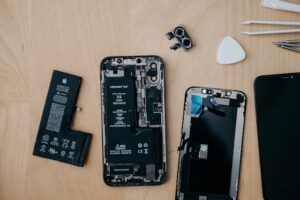
iFixit’s teardown — published this week and immediately going viral — confirmed what some tech analysts had suspected since the phone launched. The Trump Mobile T1 is not a new phone designed in America. It is not manufactured in America. The internal components, the screen, the chipset, the camera — all identical to the HTC U24 Pro that has been on sale since 2024.
| 📌 The key findings: Same Snapdragon 7s Gen 3 chip. Same 6.8 inch AMOLED display. Same camera hardware. The battery is slightly larger (5,000 mAh vs 4,600 mAh) — but the charging is actually slower (30W vs HTC’s 60W). The only meaningful cosmetic difference is the gold finish and the Trump branding. |
Here is the full spec comparison:
| Spec | Trump Mobile T1 | HTC U24 Pro (Original) | Difference? |
| Manufacturer | Trump Mobile | HTC — Taiwan | Same hardware |
| Chipset | Snapdragon 7s Gen 3 | Snapdragon 7s Gen 3 | ❌ Identical |
| Display | 6.8 inch AMOLED | 6.8 inch AMOLED | ❌ Identical |
| Camera | Tweaked bump shape | 50MP main camera | Cosmetic only |
| Battery | 5,000 mAh | 4,600 mAh | ✅ Slightly bigger |
| Charging | 30W charging | 60W charging | ❌ Actually worse |
| Price | $499 | $399 (retail) | ❌ More expensive |
| Made in | Taiwan | Taiwan | ❌ Identical |
| Gold finish | ✅ Yes | ❌ No | The only difference |
Looking at the specifications alone, the value proposition is difficult to ignore. You are paying $100 more than the original HTC, getting slower charging, and the only thing you are getting extra is a gold skin and a brand name.
How Did This Happen — The Rebranding Business
This type of rebranding is fairly common in the smartphone industry. It has a name: white-labelling or rebranding. A company buys an existing phone from a manufacturer, puts their name and branding on it, and sells it as their own. It happens constantly in the budget phone market.
What is unusual is doing it while explicitly claiming American-made credentials. The Trump Mobile website described the T1 as having “American-proud design” — which, technically, they might argue refers to the design of the gold casing and the logo. But the average buyer was not reading that as ‘we bought a Taiwanese phone and painted it gold.’
It is worth comparing this to the iPhone vs Android debate we covered recently — where we pointed out that neither Apple nor any major smartphone manufacturer actually makes phones in America. iPhones are assembled in China and India. Samsung phones are made in Vietnam and South Korea. The idea of an American-made smartphone in 2026 was always going to be complicated.
What Were People Actually Buying?
The story becomes more interesting when you look beyond the hardware.
The Trump Mobile T1 was not really sold as a phone. It was sold as a statement. A way to show support. A collector’s item for fans. The actual specs were secondary — the gold finish and the name were the product.
And in that sense, people who bought it knowing roughly what it was got what they paid for — a branded piece of merchandise that happens to also make phone calls. The problem is the explicit ‘Made in America’ framing that many buyers took at face value.
| 💡 Worth knowing: The original HTC U24 Pro retails for around $399 in most markets. The Trump Mobile T1 launched at $499. That $100 premium buys you: a gold finish, Trump Mobile branding, and slower charging than the original. |
The Privacy Question Buyers Should Consider
Another aspect worth considering is software control. When you buy a rebranded phone, who controls the software? The Trump Mobile T1 runs a version of Android — but whose version, with what modifications, reporting data to which servers?
We covered in detail exactly what your phone is collecting about you — and the honest answer is that it is more than most people realise even on mainstream phones. With a rebranded device from a lesser-known distribution chain, those questions are even harder to answer.
If you are using any smartphone — Trump brand or otherwise — a good VPN is one of the simplest ways to protect your privacy, especially on public Wi-Fi. And running an antivirus scan periodically matters more on Android devices than most people think.
What This Tells Us About the ‘Made in America’ Tech Dream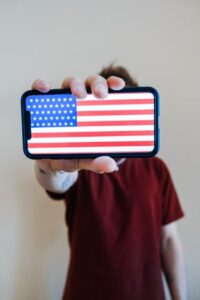
The Trump phone story is funny. But underneath the humour is a genuinely complicated truth about manufacturing.
Making a smartphone entirely in America in 2026 is extraordinarily difficult — not because of a lack of will, but because the global supply chain for phone components is so deeply embedded in Asia that rebuilding it domestically would take decades and cost billions. The chips come from Taiwan. The displays come from South Korea. The rare earth minerals come from China.
This is part of the broader story we have been covering about how AI and tech infrastructure is becoming geopolitical. The same tensions that led to Trump wanting to own a piece of OpenAI — the idea that America should control its own tech destiny — are the same tensions that led to the Trump phone. The execution may be flawed. The instinct behind it is a real political force.
And as AI continues to reshape every industry including smartphones — the question of where technology is made and who controls it is only going to get more important. Regardless of opinions about the phone itself, the broader manufacturing questions remain relevant.
FAQ — Trump Mobile T1
1. Is the Trump Mobile T1 worth buying?
As a phone? No — not at $499. The HTC U24 Pro it is based on is a decent mid-range phone but not remarkable, and you can get significantly better phones for the same money from Google, Samsung or even Apple’s older models. As a piece of political merchandise? That depends entirely on how you feel about the branding. The phone works. It just is not worth $499 based on its hardware alone.
2. Can Trump Mobile be trusted with my data?
This is genuinely unanswered. The phone runs Android but the software customisation and data practices of Trump Mobile have not been independently audited. Until they are, treating it like any unknown Android device is the sensible approach — which means being cautious about what apps you install and considering a VPN for protecting your connection.
3. Is any smartphone actually made in America?
Not really — at least not in any meaningful end-to-end sense. Some assembly happens in the US for certain enterprise devices. But the components — chips, displays, batteries, cameras — almost universally come from Asia. Apple has been slowly moving some iPhone assembly to India. Samsung assembles some devices in Vietnam. The closest thing to an American-made phone component is Qualcomm designing its Snapdragon chips in San Diego — but those are manufactured in Taiwan by TSMC. It is a global supply chain and no single phone brand has escaped that reality yet.
| 💬 Honest Question: Does it matter to you where your phone is made — or do you only care about the specs and price? Drop your take in the comments. And if you bought a Trump phone or were thinking about it — tell us what you think now. No judgment — genuinely curious what real people think about the ‘made in America’ label on tech products. |
techsunnews.com | Tech / Smartphones / News | © 2026



One thought on “Trump’s ‘Made in America’ Phone Is Actually a Taiwanese Phone in a Gold Suit”