
Rohit Baniwal, writer
By TechSun News Desk | techsunnews.com | June 10, 2026 | Tech / Smartphones | 6 min read
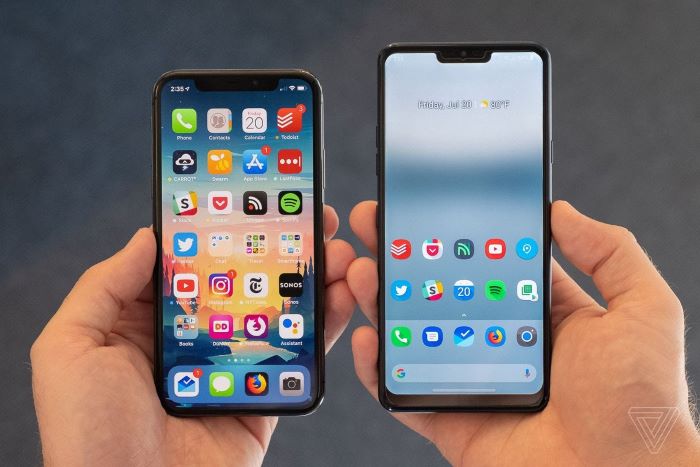
This debate has been going on since 2007 and it is still not settled. Every year someone asks which is better iPhone or Android and every year the answer is the same: it depends.
But that is a cop-out answer. So here is a more useful one: it depends on specific things about you and once you know which category you fall into, the decision is actually pretty clear.
Let us go through it properly. No brand loyalty, no sponsored opinion, just the differences look in real life.
iPhone vs Android 2026 — The Honest Comparison
Here is the full picture at a glance:
| Category | 🍎 iPhone | 🤖 Android | Winner |
| Privacy & Security | Tighter app controls, on-device AI processing | More open — more risk if not careful | 🍎 iPhone |
| Customisation | Limited — Apple controls everything | Full control — widgets, launchers, defaults | 🤖 Android |
| AI Features | Apple Intelligence — on-device, private | Google Gemini — cloud-based, more powerful | 🤖 Android (slightly) |
| Camera Quality | iPhone 17 Pro — best video on any phone | Pixel 10, Galaxy S26 compete at top end | 🤝 Tie |
| App Quality | Apps built for iPhone first, better optimised | More apps, more freedom, more variety | 🍎 iPhone |
| Price Range | $799–$1,299 (limited options) | $200–$1,200 (wide range) | 🤖 Android |
| Software Updates | 5–7 years of updates guaranteed | Varies — Pixel/Samsung best, others poor | 🍎 iPhone |
| Repairability | Expensive repairs, Apple-only parts | More options, cheaper repairs | 🤖 Android |
| Ecosystem | Perfect if you have Mac/iPad/AirPods | Works with everything — Windows, Chromebook | Depends on you |
Privacy — iPhone Wins, But It’s Complicated
This is where the gap between iPhone and Android is most real and most misunderstood.
Apple processes most of its AI features on your device rather than sending data to servers. Apple Intelligence their AI suite is designed so Apple itself cannot read what it processes. Compare that to Google’s approach, which is cloud-based, meaning your queries go to Google’s servers.
But here is what most iPhone fans do not mention: both phones spy on you more than you probably realise. We covered exactly what your phone collects in our article on whether your phone is actually spying on you and the answer is unsettling regardless of which operating system you use.
The practical takeaway: iPhone is more private by default. Android can be made equally private with the right settings but that requires effort most people won’t make. If you want privacy without thinking about it, iPhone wins.
AI Features — Android is Ahead Right Now
This is one area where Android currently has an advantage, specifically Google’s Gemini integration.
Gemini on Android can access your emails, calendar, photos, and files across apps in a way that Apple Intelligence cannot yet match. It answers questions about your actual life ‘when is my next dentist appointment’ or ‘what did I order from Amazon last week’ by connecting to your real data.
Apple Intelligence is more private but more limited. It does specific tasks well — summarising notifications, cleaning up photos, writing suggestions — but it does not yet have the cross-app intelligence Google has built.
Both are heading toward what we covered in our piece on Microsoft putting AI agents inside your PC AI that works across everything, all the time, in the background. Apple and Google are both racing toward that. Google is slightly ahead today.
And ChatGPT works equally well on both iPhone and Android so if you use third-party AI tools rather than the built-in ones, this category is a tie.
Price — Android Has Something for Everyone
This is probably the most practical difference for most people.
The cheapest new iPhone in 2026 starts at $799. There is no budget iPhone option. Apple does not compete in the under-$500 market.
Android covers the entire spectrum from $150 budget phones that handle daily tasks fine, to $1,200 flagship models that compete with the best iPhones on every metric. If price is a meaningful factor for you, Android is the only real option.
| 💡 Best Android picks in 2026: Google Pixel 10a ($499) for best value, Samsung Galaxy S26 ($999) for premium Android, Nothing Phone 3 ($549) for design lovers. All significantly cheaper than equivalent iPhones. |
Security — Both Are Good, But Different
Both platforms get regular security updates. The difference is consistency: Apple guarantees 5–7 years of updates for every iPhone. Android varies wildly Google’s Pixel phones get 7 years now, Samsung flagships get 5 years, but many cheaper Android phones get 2 years or less.
For security specifically Android phones benefit most from a good antivirus app because the open ecosystem means more potential entry points for malware. iPhones rarely need third-party antivirus. Either way, a VPN matters on both platforms especially on public Wi-Fi.
And whichever phone you choose, use a password manager both platforms support 1Password, NordPass and Bitwarden equally well.
So — Which One Should YOU Buy?
Here is the honest breakdown by type of person:
| 🍎 Buy iPhone if: You already have a Mac, iPad, or AirPods. You want privacy without thinking about it. You want long software support guaranteed. You care about app quality over app variety. You do not mind paying more. |
| 🤖 Buy Android if: You want more control over your phone. Budget matters. You use Google services heavily. You prefer flexibility over simplicity. You want cutting-edge AI features right now. You use Windows as your main computer. |
If you are still genuinely undecided go to a shop and hold both. The feel of a phone in your hand matters more than any spec comparison. After five minutes with each, most people know which one feels right.
And whichever you choose the best free AI tools work on both. That part of your decision does not need to depend on your phone.
FAQ — iPhone vs Android 2026
1. Is iPhone really more secure than Android?
For most people, yes mainly because of consistency. Every iPhone gets the same updates at the same time. With Android, it depends heavily on which brand you buy. A Google Pixel is as secure as an iPhone. A cheap Android from a brand you have never heard of may not get security updates at all. If you go Android, stick to Google Pixel or Samsung for the best security track record.
2. Can I switch from iPhone to Android (or vice versa) without losing everything?
Yes and it is easier in 2026 than it ever has been. Both Apple and Google have migration apps that transfer photos, contacts, messages and app data. The main friction points are iMessage (switching away from iPhone means losing iMessage use WhatsApp instead) and any apps you paid for (paid apps do not transfer between stores). Check GSMArena’s switching guide for the specific step-by-step process for your phones.
3. Which phone is better for students?
Android pecifically the Google Pixel 10a gives you the best value for a student budget. You get Google Gemini AI built in, 7 years of updates, an excellent camera, and a price that leaves money for other things. If you are already deep in the Apple ecosystem (Mac laptop, AirPods), then iPhone makes more sense for the seamless integration. But purely on value for a student? Android wins. And either way, the best free AI study tools work on both.
| 💬 The Question Everyone Has An Opinion On: iPhone or Android — and what made you choose your current phone? Was it price, privacy, an app you needed, or just what everyone around you was using? Drop your answer in the comments. And if you switched from one to the other — tell us whether it was worth it. This is the most debated topic in tech and we want real answers, not brand loyalty. |
techsunnews.com | Tech / Smartphones | © 2026




3 thoughts on “iPhone vs Android in 2026 — Which One Should You Actually Buy?”