● NANDINI ROY CHOUDHURY, writer
TECH • ARTIFICIAL INTELLIGENCE • ROBOTICS
A new video from 1X’s humanoid robot factory in Hayward, California is going viral globally — showing X1 Neo robots quietly assisting in the production of more Neo robots on the factory floor. “They’re building each other,” TechRadar wrote. Science fiction has officially become real. And you can pre-order one for your home right now.
May 2, 2026 • By World Affairs Desk, techsunnews.com • 3 min read • Sources: TechRadar, Interesting Engineering, TechCrunch, IEEE Spectrum
NEO FACTORY DASHBOARD — Hayward, California
| Factory size
58,000 sq ft Hayward, California |
Annual capacity
10,000 units Sold out in 5 days |
Target by 2027
100,000+ Mass home delivery |
Price
$20,000 Pre-order open now |
KEY POINTS
|
[AD UNIT 1 — Place leaderboard or in-article ad here]
The moment science fiction became real
In the corner of a factory floor in Hayward, California, a humanoid robot is quietly sorting parts. Nothing unusual about that — except the parts it is sorting will be used to build more robots exactly like itself. When a journalist walked into 1X’s Neo factory this week, that’s what he found: a robot assisting in the assembling of similar robots. The video went viral within hours. “They’re building each other,” wrote TechRadar. Every sci-fi writer who ever imagined this moment was, it turns out, early by about ten years.
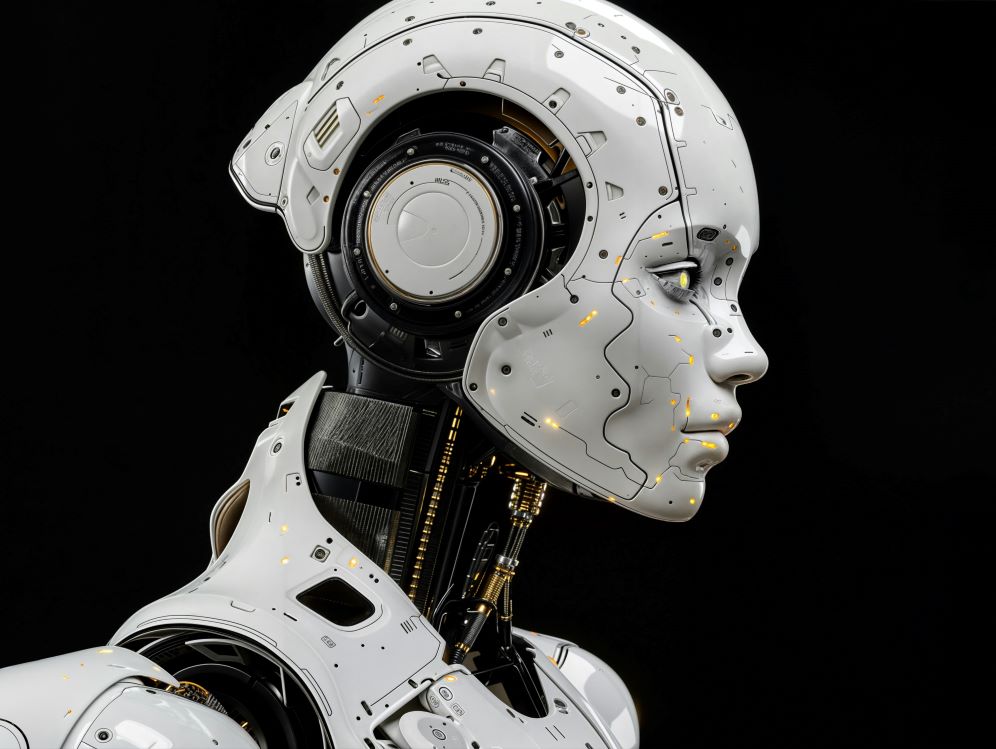
The 1X Neo is not a factory robot or a warehouse machine. It is a home robot — built to live and work alongside human beings in ordinary American homes. It stands upright, moves with fluid, human-like motion, and runs on NVIDIA’s Jetson Thor computing platform — the same AI chip architecture that powers some of the world’s most advanced data centres, now miniaturised and placed inside a 5-foot humanoid that can assist with mobility, light household tasks and routine daily interaction. Pre-orders are open at $20,000.
What makes this different from every robot video before it
There have been plenty of viral robot videos over the past decade. Boston Dynamics’ backflipping Atlas. Tesla’s Optimus waving awkwardly. Figure AI’s robot making coffee. What makes the 1X Neo factory video different is its ordinariness. This is not a carefully choreographed demonstration on a stage. This is a production line. Unlike staged demos, the footage appear to show real production activity. And what it is working on is the manufacture of more of itself. For those keeping score: 1X Neo robots are now part of the supply chain that produces 1X Neo robots.
For context, Figure AI is producing 55 robots per week at its own facility, allocating them to internal research. 1X is ahead of that curve on commercial deployment — its 10,000-unit first-year production run sold out in five days, and the company is targeting 100,000 units annually by 2027. If that target holds, humanoid robots will be as common in upper-middle-class American homes by 2028 as dishwashers were in 1975.
What it can do — and what it costs
The Neo is designed for home use, not industrial deployment. According to 1X, it is built to safely operate alongside humans and assist with everyday tasks including mobility support for elderly or disabled residents, light household activity and routine interaction. It is dynamically balanced — meaning it can shift its centre of mass to carry loads without tipping over. It learns new tasks through the 1X World Model, a physics-based AI that allows the robot to pick up new skills by watching video footage of humans performing those tasks — without explicit reprogramming.
The Wall Street Journal tested a Neo in a real home environment and called the experience “weird” — in the best possible sense. It got awkward. It got impressive and unfamiliar. At $20,000 per unit, Neo is not a mass-market product yet. But 10,000 people have already reserved one. The waiting list is growing.
WHAT DO YOU THINK? WOULD YOU BUY A HUMANOID ROBOT FOR YOUR HOME FOR $20,000 — OR DOES THE IDEA OF ROBOTS BUILDING MORE ROBOTS WORRY YOU? DROP YOUR ANSWER IN THE COMMENTS BELOW! 👇
SOURCES — 5 verified portals
1. TechRadar — ‘They’re building each other’: new X1 Neo robot video (May 1, 2026)
2. Interesting Engineering — US humanoid robot factory to build 100,000 NEO units by 2027
3. TechCrunch — Neo humanoid maker 1X releases world model to help bots learn (Jan 2026)
4. IEEE Spectrum — Video Friday: Figure, 1X Ramp Up Humanoid Robot Production (May 2, 2026)
5. Wall Street Journal — I Tried the First Humanoid Home Robot. It Got Weird (Oct 2025)
| DISCLAIMER: This article is based on 5 verified sources as of May 2, 2026. Production capacity figures are from 1X official statements. Consumer shipment timelines are subject to change. Pre-order pricing ($20,000) is from WSJ reporting. This article does not constitute investment or purchasing advice. |