Anamika Dey, editor ·
By TechSun News Desk | techsunnews.com | September 2, 2026 | Trending / Tech / Finance | ~5 min read
What This Article Covers
|
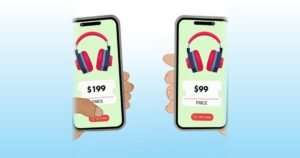
For years, the worry about surveillance pricing has been a quiet one: that the price on your screen might be built for you specifically, based on what a company already knows about you — and that you’d never be told. On August 19, the federal government said that last part out loud. Companies, it suggested, should have to tell you.
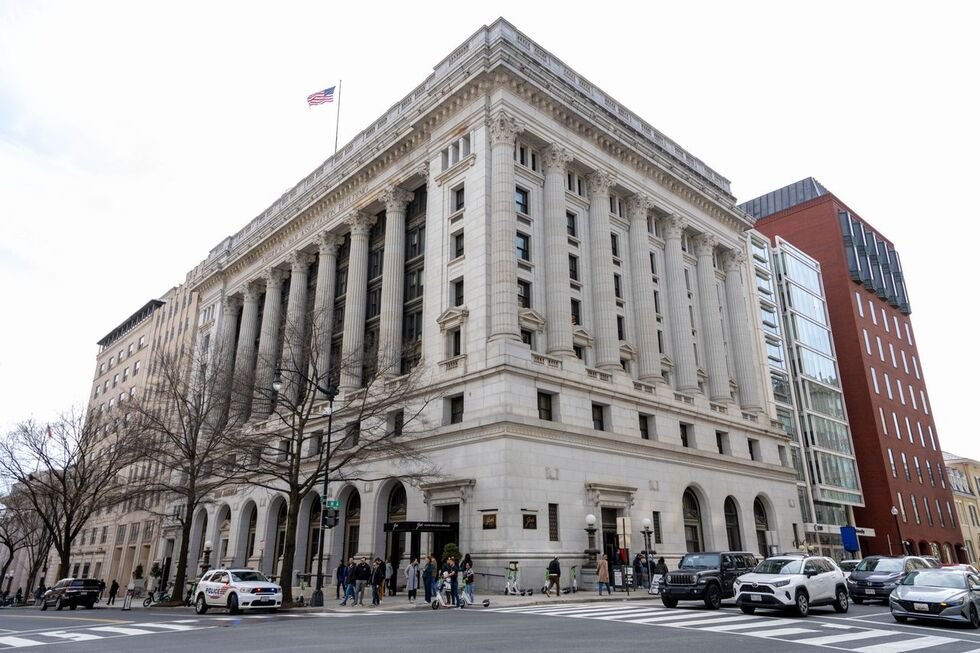
The Federal Trade Commission proposed a new enforcement policy statement on what it calls personalized pricing, and it’s asking the public to weigh in before September 18. It’s a real shift in tone from the FTC — and also narrower than a lot of this week’s headlines suggested. So it’s worth being precise about what actually happened.
What the FTC actually did
Start with what it isn’t. The FTC did not ban surveillance pricing, and it did not pass a new rule. Chairman Andrew Ferguson said plainly that the agency doesn’t have the authority to outlaw personalized pricing across the board — companies charge different people different prices for plenty of lawful reasons, from insurance premiums to rideshare surge.
What the Commission did do is publish a proposed policy statement — a document laying out how it reads the powers it already has — and open it for public comment. The core position: if a business uses your personal data to set a price and doesn’t clearly tell you, that failure to disclose can itself be an unfair or deceptive practice under Section 5 of the FTC Act. The vote to put the draft out for comment was 2-0, and the language was pointed — the agency said it wanted to put companies on notice.
The distinction matters, and it’s the thing most coverage got loose with. A proposed enforcement policy statement is a regulator signaling how it intends to use existing law — not a new law, and not a ban. But signaling from the FTC isn’t nothing. It tells companies what will draw scrutiny, and it tells them now.
What would change for you
The heart of the proposal is disclosure. The FTC’s position is that if a price is personalized, a business should clearly and conspicuously tell you three things: that the price is personalized, why, and what data was used to set it. A vague “specially selected for you” wouldn’t cut it — the FTC says that kind of line is likely misleading precisely because it leaves out what you’d need to know to do anything about it.
The draft statement includes some genuinely striking examples of what would raise red flags. A food-delivery app charging more to people it believes can’t easily leave home. A grocery service charging more for delivered milk because the data suggests children live in the household. A hotel nudging the price up because it infers you’re traveling for a funeral. A store raising a price the moment it detects you’re browsing from inside one of its own locations. None of these is a confirmed, caught case — they’re the FTC’s own illustrations of the conduct it’s flagging. But they’re a vivid map of where this can go.
One detail worth pulling out, because it’s the FTC saying it and not us: the agency’s announcement notes that an informed shopper might sidestep a personalized price by using a VPN or a private browsing session, or by avoiding the retailer altogether. That’s the regulator itself pointing at the same defensive moves privacy-minded shoppers have been trading around for a while.
Here’s the rough line the FTC is drawing.
| The FTC’s line | Probably fine | Likely a problem |
|---|---|---|
| What moves the price | Supply, demand, time, location | Your personal data or profile, undisclosed |
| The disclosure | “This price is personalized — here’s why and what data” | “Specially selected for you” and nothing more |
| The legal basis | Insurance risk, credit, surge pricing | Hiding that a price is tailored to you |
The airlines just got pulled in too
The FTC isn’t the only part of government circling this. On August 11, Representative Frank Pallone — the top Democrat on the House Energy and Commerce Committee — expanded a surveillance-pricing inquiry he’d opened in the spring, sending letters specifically to eight major U.S. airlines asking how they use passenger data, AI and algorithms to set fares.
Two things to keep straight. This is a congressional inquiry, not an FTC one — a different branch, a different tool. And because Pallone is the ranking member of the minority, these are information-request letters, not subpoenas: he can ask, not yet compel. Still, the airline angle is the one most likely to land with ordinary travelers, because “the person in the next seat paid less for the identical ticket” is easy to picture — and airlines have been openly exploring individualized, AI-driven fare pricing.
What to watch next
So what actually happens from here, and what should you do?
- Watch the comment window. The FTC is taking public input through September 18, via the federal docket — which means ordinary consumers, not just companies, can weigh in on whether this becomes the agency’s settled position.
- Watch your checkout screens. If this framing sticks, the most visible change won’t be lower prices — it’ll be labels. Expect more “this price was set using your data” disclosures, especially from retailers, delivery apps and travel sites hedging against FTC scrutiny.
- Keep your expectations calibrated. The sharper legal teeth on surveillance pricing right now aren’t federal at all — they’re state laws, some requiring disclosure and at least one moving toward an outright ban. The FTC’s move is a posture, an important one, but the states are still where the harder rules live.
If you’re fuzzy on the underlying practice — how companies turn your data into a number meant just for you, and what actually lowers your exposure — that’s the ground we covered in our explainer on what surveillance pricing is and how it works. The short version of the defense hasn’t changed: shop signed out, compare across browsers and devices, and remember that the data trail your phone leaves is the same fuel these pricing systems run on.
| The Bottom Line
The FTC didn’t ban surveillance pricing on August 19 — it can’t, and it said so. What it did was propose to treat hiding personalized pricing as a violation of existing law, and put companies on notice while it takes public comment through September 18. Pair that with a congressional inquiry now reaching into airline fares, and the direction is clear even if the rules aren’t final: the era of quietly pricing people by their data is going to get louder and more disclosed. Whether it gets cheaper is a different question. |
Frequently asked questions
Did the FTC ban surveillance pricing?
No. The FTC proposed an enforcement policy statement and is seeking public comment on it through September 18, 2026. Its chairman said the agency doesn’t have the authority to ban personalized pricing outright. The focus is disclosure — the FTC’s position is that failing to tell you a price is based on your personal data can be an unfair or deceptive practice under existing law.
What is the FTC actually proposing?
That businesses using personalized pricing should clearly disclose three things — that the price is personalized, why, and what data was used. Under the draft, vague “specially selected for you” language wouldn’t be enough, and concealing that a price is tailored to you could invite an enforcement action under Section 5 of the FTC Act.
What can I do about it right now?
Two things. If you feel strongly, you can file a public comment through the FTC’s federal docket before September 18. Day to day, the practical defenses are the same as before — shop in a private or incognito window, compare prices across browsers, devices and ZIP codes, and opt out of data “sale” or “sharing” where your state law allows it.
Your turn: Would a “this price was set using your data” label actually change where you shop — or would you scroll right past it? Tell us.
| Editor’s Note
We held this one to the facts on purpose. A lot of coverage this week framed the FTC’s move as a ban or a crackdown; it’s neither. It’s a proposed policy statement out for public comment — real, and a genuine shift in tone from the current FTC, but not a new law. We’ll update this piece if the statement is finalized or if the airline inquiry escalates. — A.D. |