
By Anamika Dey, editor • September 29, 2026
What This Article Covers
|
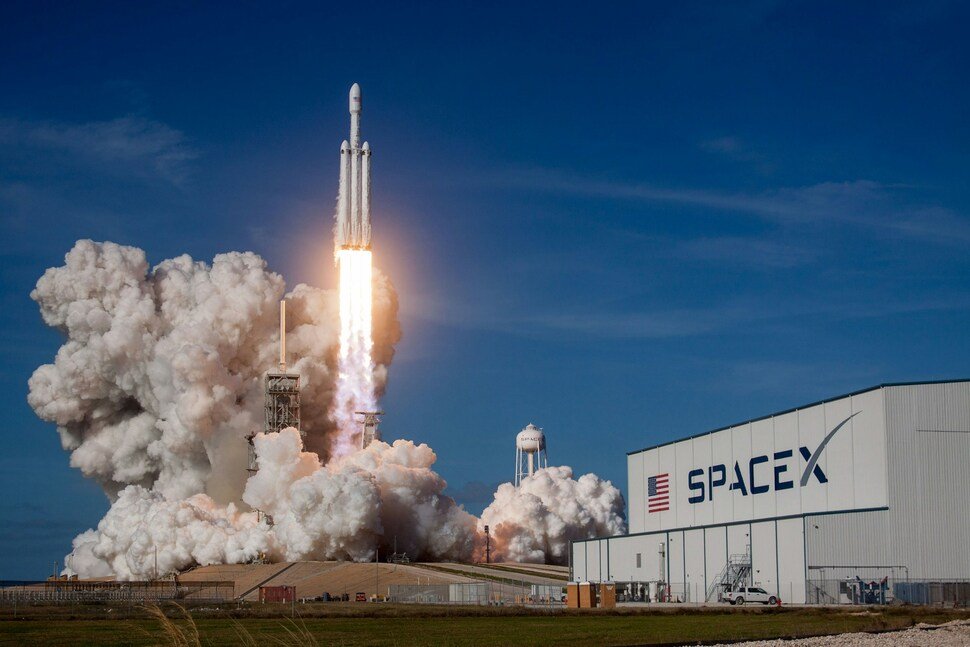
For a few minutes on Monday morning, it looked like Starship’s big day might slip away. One of the six engines on the rocket’s upper stage shut down as it climbed toward space, and a SpaceX spokesperson told viewers the orbital attempt was off. Then the plan changed again. “We are not giving up yet,” the spokesperson said, and a few minutes later flight controllers cleared the ship to go for orbit.
About 25 minutes after liftoff, the ship lit a single Raptor engine and Starship was in orbit for the first time. That is the short version of the Starship Flight 14 results: a real milestone, and a flight that did not go entirely to plan. If you missed why the launch slipped to September 28 in the first place, we covered that in our Flight 14 delay article. Here is what actually happened.
What Happened on Flight 14
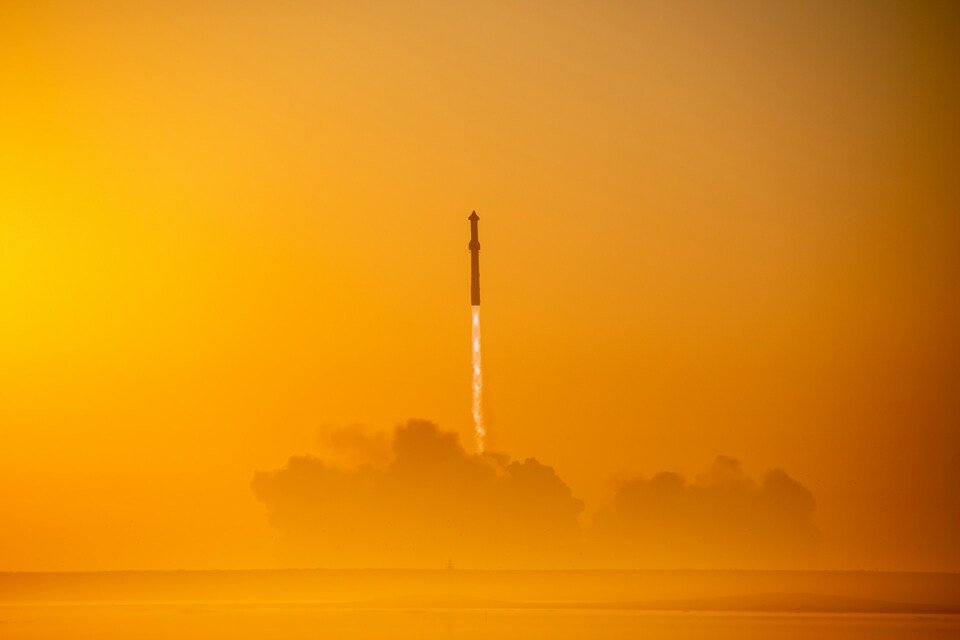
 Starship lifted off from SpaceX’s Starbase site in South Texas at 7:48 a.m. CT (8:48 a.m. EDT) on Monday, September 28, according to SpaceX’s own flight summary. One of the Super Heavy booster’s 33 engines shut down during the initial climb, but the booster still came back for a controlled splashdown in the Gulf. SpaceX says the landing burn started with 11 of its 13 planned engines before the booster settled onto three for the final seconds.
The upper stage, Ship 41, kept climbing. Once it reached orbit, it went where no Starship had gone before. None of the 13 earlier test flights was meant to reach orbit, CNBC noted, so they stayed suborbital: the vehicle went up and came back down without circling the Earth.
In orbit, Ship deployed 26 next-generation Starlink V3 satellites. This is the part with money attached. ABC News described Flight 14 as the first Starship mission to earn revenue for SpaceX, since Starlink internet is the company’s main business. If you follow SpaceX as a company, our pieces on the Iran threat to Starlink and the SpaceX IPO give the background.
Ship then came home. It splashed down in the northern Pacific Ocean just before noon Eastern, about three hours after launch. SpaceX is calling the flight a success because it hit its two main goals: get Starship into orbit, and add Starlink satellites to the constellation.
The Engine Problem That Almost Changed the Plan
The engine trouble is what made this flight tense. CNN reports that one of Ship’s Raptor vacuum engines shut down prematurely during the climb. Ship has six engines, and losing one on the way up is exactly the kind of thing that can end an orbital attempt. For a few minutes, SpaceX said it had.
SpaceX says the flight team then assessed Ship’s systems, confirmed that the three sea-level Raptor engines needed for the later burns were healthy, and gave the go for orbit. Ship then fired a single sea-level engine to enter orbit.
The problem did still cost the mission time. Before launch, Space.com said the flight was planned to last about 9 hours and 50 minutes, SpaceX’s longest Starship mission yet. SpaceX’s own summary says that, out of an abundance of caution given the engine issue during ascent, the flight team limited the time on orbit and brought Ship home to one of two pre-cleared splashdown zones in the northern Pacific. ABC News says the call came at the first scheduled checkpoint, ending the flight roughly seven hours early.
SpaceX calls this a success because the primary goals were met. It is also fair to say Flight 14 did not finish its full test plan.
Starship Flight 14 Results: Planned vs. What Actually Happened
Here is the flight in one table. Where outlets are the source, they are named in the last column.
| What | The plan | What happened |
|---|---|---|
| Reach orbit | First orbital flight for Starship | Done, about 25 minutes after liftoff (Space.com) |
| Starlink V3 satellites | Deploy 26 | 26 deployed (SpaceX, ABC News) |
| Ship’s engines | All six firing through ascent | One shut down early; orbit still reached (SpaceX, CNN) |
| Super Heavy booster | Controlled splashdown in the Gulf | Splashed down in the Gulf; one engine shut down on the climb (SpaceX) |
| Mission length | About 9 hours 50 minutes | Roughly 3 hours; time on orbit limited after the engine issue (SpaceX, ABC News) |
| Ship splashdown | Pacific Ocean off Chile (pre-launch plan, Space.com) | Northern Pacific, one of two pre-cleared zones (SpaceX) |
Why This Flight Matters
 Orbit is the line between a test program and a working launch vehicle. A suborbital hop can prove a rocket flies. To deliver satellites, stay up, and come back on purpose, you need orbit. Flight 14 is the first time Starship has done all of that in a single mission.
Starlink is the other half of the story. Space.com reports that the 26 satellites are the first members of a next-generation constellation that Elon Musk says could eventually reach about 100,000 satellites. That is Musk’s target, not a schedule, so treat it as an ambition. Unlike the Flight 13 satellites in July, which followed a suborbital path and fell back to Earth, these ones were placed in an operational orbit. Space.com also notes that three of the 26 carry cameras meant to photograph Ship, so engineers can study its heat shield.
There is a bigger goal behind all of this. NASA has said that in 2027 the Artemis III mission will test one or both commercial landers, from SpaceX and Blue Origin, in low Earth orbit, and that Artemis IV in 2028 will be the first Artemis Moon landing. Space.com reports NASA is targeting mid-to-late 2027 for Artemis III. Those are targets, not promises, and the plan was already reshuffled earlier this year, so treat the dates as something that can move. Space.com also notes it is still unclear which lander will fly Artemis IV.
What Still Has to Happen
Reaching orbit does not clear the checklist. Space.com points to two big open items. SpaceX has caught the Super Heavy booster with the launch tower’s arms on three earlier flights, but it has not yet tried that with Ship. And it has not demonstrated refueling in space, which Moon and Mars missions will need. Crewed flights will also need life-support systems installed.
As for Flight 15, none of the reports I reviewed gives a date, so I am not going to guess one. It is reasonable to expect the engine shutdown to get close attention in whatever SpaceX reviews next, but that is an expectation, not something SpaceX has said.
Where the Reports Don’t Agree
Early coverage of a live launch is messy, and this one was no different. Outlets differ on how many orbits Ship completed before coming home and on how many engines the booster lost: SpaceX says one during the climb, ABC News counts two, and Space.com says several. Where SpaceX’s own flight summary covers a detail, I have used it. Where it doesn’t, I have left the detail out, and I will update this piece if SpaceX publishes more.
| The Bottom Line
Starship reached orbit for the first time on Flight 14, deployed 26 Starlink V3 satellites, and splashed down in the northern Pacific. One Ship engine shut down during the climb and SpaceX says it limited time on orbit as a precaution, so this was a success on the main goals but not a clean run. Still open: catching Ship, refueling in orbit, and a date for Flight 15. |
| Editor’s Observation
What stayed with me was not the orbit itself. It was those few minutes when SpaceX said the attempt was off and then reversed. A test flight is supposed to show you how a vehicle behaves when things go wrong, and Monday did that. Getting to orbit with an engine out says something good about the design. It is also a reminder that Starship is still a test program, and the Moon timelines depend on a lot more than one good flight. That is my read, not a confirmed finding. |
Frequently Asked Questions
Was Starship Flight 14 a success?
SpaceX says yes, because it met both main goals: reaching orbit for the first time and deploying 26 Starlink V3 satellites. It was not flawless, though. One ship engine shut down early and the mission ended about seven hours ahead of schedule.
Why did SpaceX end the mission early?
SpaceX says that, out of an abundance of caution after an engine issue during ascent, the flight team limited the time on orbit and deorbited Ship. ABC News adds that the call came at the first scheduled checkpoint. I have not seen a detailed engineering breakdown from SpaceX yet.
When is Starship Flight 15?
No date has been announced in the reports I reviewed. The bigger milestones still ahead, according to Space.com, include catching Ship with the launch tower and demonstrating refueling in orbit.
Your Turn
Starship got to orbit with an engine down. Does that make you more confident in it, or would you want to see a cleaner flight before the Moon missions? Tell us in the comments.
Sources
- Space.com — SpaceX launches Starship into orbit for 1st time
- Space.com — Starship Flight 14 live updates
- ABC News — SpaceX Starship splashes down after successful 1st orbital flight test
- CNN — SpaceX reaches orbit in unprecedented Starship test flight
- SpaceX — Starship Flight 14 summary
- CNBC — SpaceX launches its massive Starship rocket into orbit for the first time
- NASA on X — Artemis III and IV plans




2 thoughts on “Starship Just Reached Orbit for the First Time — Here’s What Happened on Flight 14”