By Anamika Dey, editor | September 28, 2026 | Developing story
| Developing Story
Written on September 28, 2026, before Ship 41’s splashdown. We’ll update this page once SpaceX confirms how the ship’s return went. |
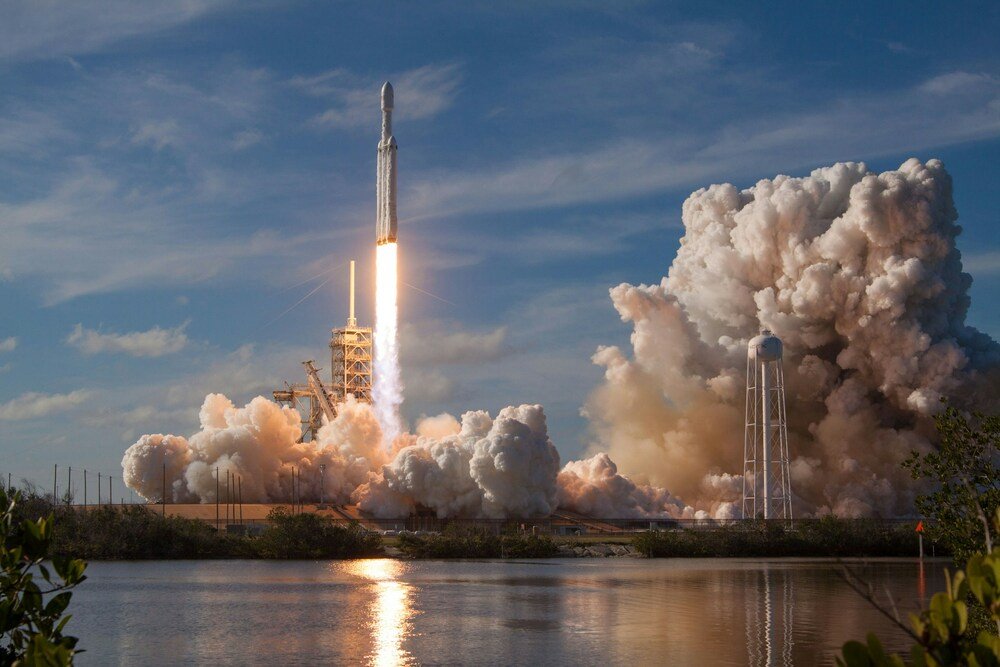
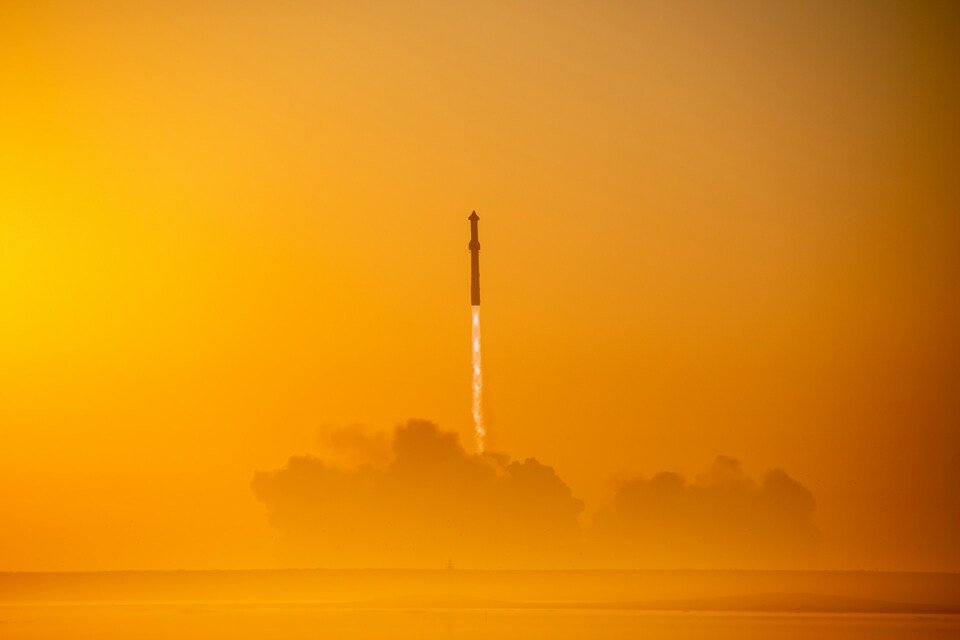
SpaceX’s Starship reached orbit for the first time on Monday. After lifting off from Starbase, Texas, at about 7:48 a.m. CT (8:48 a.m. ET), according to NPR, the ship fired a single engine roughly 25 minutes into the flight to enter orbit, then released all 26 of its Starlink V3 satellites, Space.com reports.
It wasn’t a perfectly smooth flight. One of Ship 41’s six engines shut down early on the way up, the booster had engine trouble on its way back, and SpaceX decided to end the flight early, using a checkpoint the mission plan allowed for. The ship reached orbit and deployed all 26 satellites, and its return is still to come.
This follows our earlier Starship Flight 14 coverage, which explained why the launch slipped to September 28. Here’s what happened, what SpaceX was aiming for, and what still isn’t confirmed.
What This Article Covers
|
What Happened During Starship Flight 14?
 Here’s the flight so far, based on SpaceX’s webcast as reported by NPR, Space.com, CNN and ABC News. Times are approximate.
| When | What happened |
| Liftoff, about 7:48 a.m. CT | Super Heavy Booster 21 lights its 33 engines and Starship leaves the pad (NPR). |
| About 2 min 34 sec | Hot staging: the ship separates from the booster (Space.com). |
| During ascent | One of Ship 41’s Raptor engines shuts down early. The ship compensates and finishes its burn. ABC News reports the engine wasn’t needed to reach orbit. |
| Booster return | Only 31 of Super Heavy’s 33 engines relight on the boostback burn, SpaceX said. The booster splashes down in the Gulf off Starbase, and a SpaceX spokesperson said the splashdown looked fairly soft (CNN). |
| About 25 minutes | Ship 41 fires a single Raptor engine to enter orbit, at roughly 170 miles (275 km) up. Mission control confirms the ship is orbital (Space.com). |
| After reaching orbit | The ship releases all 26 Starlink V3 satellites. SpaceX says it has made contact with each of them (CNN). |
| First checkpoint | SpaceX decides to end the flight early. Ship 41 performs its deorbit burn with a single Raptor engine and heads for a splashdown in the northern Pacific (Space.com, CNN). |
What Was Starship Supposed to Accomplish?
Flight 14 was billed as Starship’s first real job, not just another test. SpaceX’s mission plan lists the ship’s main goals as its first orbital insertion burn, deploying 26 Starlink V3 satellites, a deorbit burn with a single Raptor engine, and a controlled reentry and splashdown in the Pacific. For the booster, the goal was a clean launch, separation, boostback and landing burn at an offshore spot in the Gulf.
One detail matters here. SpaceX said the ship would only make the orbital burn after controllers confirmed enough hardware redundancy for the deorbit burn later. That’s why the early engine shutdown was a big deal: Space.com says SpaceX decided to go ahead with the burn only after assessing the problem.
The satellites matter too. A SpaceX engineer said on the webcast that the V3 design offers roughly ten times the downlink capacity and 22 times the uplink capacity of the version 2 satellite, per CNN. Three of the 26 carry cameras pointed back at the ship’s heat tiles, according to Space.com. Next Spaceflight’s mission page says the satellites should start serving customers as soon as a few weeks after launch.
How Flight 14 Compares With Flight 13
| Flight 13 (July) | Flight 14 | |
| Trajectory | Suborbital | Orbital |
| Satellites | Starlink V3 test payloads that came back down quickly (Space.com) | 26 operational Starlink V3 satellites |
| Flight length | About an hour, like earlier flights (Space.com) | Deorbit burn planned about 2 hours 12 minutes in (CNN) |
| Booster | Hard splashdown; 8 of 13 planned engines relit on the landing burn (SpaceX) | Splashdown in the Gulf that SpaceX said looked fairly soft; 31 of 33 engines relit on boostback (CNN). |
| Ship return | Space.com called the splashdown the softest yet | Not yet confirmed |
Did Starship Complete Its Mission?
Not yet, and it depends what you count as the mission. Here’s where things stand.
Confirmed so far
- Liftoff at about 7:48 a.m. CT (NPR)
- Ship 41 reached orbit (NPR, Space.com)
- All 26 Starlink V3 satellites were released (Space.com), and SpaceX says it has made contact with each of them (CNN)
- The booster splashed down in the Gulf (CNN)
Still open
- The ship’s return: the deorbit burn has been reported (Space.com), but reentry and the Pacific splashdown haven’t been confirmed yet.
- The engine issue: SpaceX technicians are assessing it (Space.com), and no cause has been given.
- The early return: a SpaceX spokesperson said the team would take its first checkpoint and come back early (CNN). We haven’t seen SpaceX explain why.
Until the ship’s return is confirmed, this is an orbital launch and deployment that met its two main goals, not a completed mission. We’ll update this page.
What Happens Next for SpaceX?
First, the splashdown. If the ship comes back in one piece, SpaceX gets heat shield data from its first orbital reentry. Next, the satellites. They’re meant to unfold their antennas and solar arrays, then raise their own orbits, per Next Spaceflight.
The business side matters too. ABC News describes Starlink as SpaceX’s primary revenue generator, so a Starship that can launch these satellites in bulk is important to the company. CNN adds that SpaceX is under pressure to have Starship ready for a NASA test flight next year, which could pave the way for the next Moon landing.
If you want background on the company’s public listing, see our SpaceX IPO explainer. This article isn’t about the stock. No date for Flight 15 has been announced in the reports we reviewed.
| The Bottom Line
Starship reached orbit and released 26 Starlink V3 satellites, its two biggest goals. What’s still open is how the ship’s return goes and what caused the engine shutdown. |
Frequently Asked Questions
Did Starship reach orbit on Flight 14?
Yes. Mission control confirmed Starship was orbital after Ship 41’s engine burn about 25 minutes into the flight, per Space.com. It’s the first time Starship has entered orbit. Earlier flights were suborbital.
Why did SpaceX end the flight early?
SpaceX hasn’t said in the reports we’ve seen. The plan always allowed the ship to come back early if checkpoints raised concerns. One engine shut down during ascent, but SpaceX hasn’t linked that to the decision, so we won’t either.
What are Starlink V3 satellites?
They’re the next generation of SpaceX’s internet satellites. SpaceX says they offer roughly ten times the downlink and 22 times the uplink capacity of version 2 satellites, per CNN. Flight 14 launched the first 26 operational ones.
Your Turn
Did you watch Flight 14 live? Which moment stood out most: the orbital burn, the satellite deployment or the booster splashdown? Tell us in the comments.
| Editor’s Observation
Orbit is the headline, but the ship’s return is the part to watch. A rocket that gets satellites up is a launcher. One that comes back in shape to fly again is a different kind of business. The camera-equipped satellites hint that SpaceX is already thinking about that. For now this is a strong first step with one big open question, and we’ll say so once the splashdown tells us more. |
Sources
- SpaceX: Starship Flight 14
- NPR: SpaceX’s Starship launches on first orbital mission from Texas
- Space.com: Starship Flight 14 live updates
- Space.com: SpaceX launches Starship into orbit for the first time
- CNN: Live updates on SpaceX’s Starship first orbital test flight
- ABC News: SpaceX launches Starship’s first orbital flight test
- Next Spaceflight: Starship Flight 14 mission page