

Nandini Roy Choudhury, writer
By TechSun News Desk | techsunnews.com | June 25, 2026 | Tech / Apple / News | 4 min read
| 🚨 Breaking — June 25, 2026: Apple raised prices across its Mac, iPad, Apple TV and Vision Pro lineups today. The average increase is $246.67 per product. iPhone, Apple Watch and AirPods are not affected — for now. |
If you have been thinking about buying a MacBook or iPad — you woke up this morning to a more expensive Apple Store.
Apple quietly updated its pricing today, raising the cost of most Macs, iPads, the Apple TV and the Vision Pro. The average increase is $246.67 per device. Some products went up by $100. Others jumped by $300 or more overnight — with no change to the hardware inside them.
Here is every affected product, the exact new price, and what it means for whether you should buy now or wait.
The Full Price List — Every Product That Changed
| Product | Old Price | New Price | Increase |
| MacBook Neo (base) | $599 | $699 | +$100 |
| MacBook Air (base) | $1,099 | $1,299 | +$200 |
| MacBook Pro 14″ | $1,699 | $1,999 | +$300 |
| MacBook Pro 16″ | $2,499 | $2,799+ | +$300–400 |
| iPad Air | $599 | $749 | +$150 |
| iPad Pro 11″ | $999 | $1,199 | +$200 |
| iPad Pro 13″ | $1,299 | $1,499+ | +$200 |
| Apple TV 4K | $129 | $179 | +$50 |
| Vision Pro | $3,499 | $3,699 | +$200 |
| iPhone / Apple Watch / AirPods | Unchanged | Unchanged | ✅ No change |
| ✅ Not affected: iPhone, Apple Watch, AirPods, Apple Pencil, Studio Display and accessories all remain at their previous prices — for now. Analysts at Counterpoint Research warn iPhone increases of $150–$200 are likely when the iPhone 18 launches in September. |
Why Did Apple Raise Prices?
The main reason is the sharp increase in demand for memory chips driven by AI infrastructure — and Apple ran out of ways to absorb the cost.
Every major AI data center runs on high-bandwidth memory (HBM) — a specialised type of chip that allows AI processors to access data extremely fast. The explosion in AI infrastructure spending — which we covered in detail in our piece on how much energy and resources AI is consuming — has vacuumed up an enormous share of global memory production.
The result: standard DRAM prices climbed roughly 98% in the first quarter of 2026 alone, according to market researchers at TrendForce. Apple had been absorbing these costs internally — using its scale and long-term supply contracts to shield customers. But CEO Tim Cook confirmed last week that the situation had become “unsustainable.”
Apple is not the only company doing this. Microsoft raised Xbox prices by up to $150 this week for the same reason. Dell, Lenovo and HP raised PC prices earlier this year. The memory shortage is industry-wide — there is no brand you can switch to in order to avoid it.
Should You Buy Now or Wait?
The answer depends largely on your needs — but here is what the data suggests:
Industry analysts at Gartner forecast a 130% combined surge in DRAM and SSD prices by end of 2026, with no meaningful relief expected until late 2027 at the earliest. Chipmaker Micron has said tight supply will continue beyond 2027. Intel’s CEO has said relief is unlikely before 2028.
That means waiting for prices to drop is probably not a short-term strategy. If you need a Mac or iPad for work or school in the next 12 months, buying sooner rather than later may actually save money — prices are more likely to rise further than fall.
| 💡 One tip if you need to buy soon: Apple’s Back to School promotion is expected to launch around July 1 — typically including free AirPods or an Apple Gift Card with select Mac and iPad purchases. Some Amazon Prime Day listings still had old Apple prices through June 26. It’s worth comparing both offers before making a purchase. |
What This Means if You Were Considering Switching to Android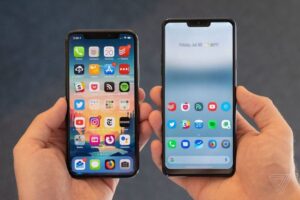
The timing is not ideal for Apple — but the honest picture is that Android devices are facing the same memory shortage pressures. Samsung, Google Pixel and other Android flagship manufacturers use the same types of memory chips. Prices across the Android market have also been rising, though at a slower pace so far.
The gap between iPhone and premium Android pricing has not significantly widened — Apple’s increases are steep in absolute terms but are happening across the industry. Budget Android phones using less memory-intensive hardware remain unaffected for now.
The iPhone Question — Will That Price Go Up Too?
Almost certainly — the question is when.
Counterpoint Research analyst Tarun Pathak estimates the higher cost of components could add roughly $200 per iPhone for Apple. He expects price increases of $150–$200 when the iPhone 18 launches in September, weighted toward higher-memory configurations. Apple is also expected to move all new iPhones to 12GB of RAM to support its full Apple Intelligence AI suite — which will provide some justification for the price increase beyond just component inflation.
This connects to the bigger picture of AI reshaping every device and service you use — the memory crunch driving Apple’s price increase is the same infrastructure investment behind Microsoft’s AI agents, Oracle’s job cuts, and the entire AI buildout we have been covering this month. The cost of the AI boom is now landing directly on your next device purchase.
And if you are managing personal finances across multiple Apple devices — now is a good time to make sure your accounts are secure. Our guide to the best password managers in 2026 covers the options that work seamlessly across Apple’s ecosystem.
FAQ — Apple Price Increases 2026
1. Did the iPhone price go up?
No — not yet. iPhone, Apple Watch, AirPods, Apple Pencil, Studio Display and accessories are all unchanged as of today. However, multiple analysts expect iPhone 18 pricing to increase by $150–$200 when it launches in September 2026, primarily on higher-memory models. The base iPhone 18 may see a smaller increase than Pro models.
2. Is it worth buying a refurbished Mac instead of new?
Apple added several models to its refurbished store today at the same time as the price increases — and MacRumors confirmed that refurbished prices have not yet been adjusted upward. That window may not last long, but right now, buying refurbished directly from Apple gives you the same warranty as new at the old price points. Worth checking apple.com/shop/refurbished before that changes.
3. Are other laptop brands cheaper than MacBooks now?
On paper — yes, some Windows laptops start lower than the new MacBook Air at $1,299. But the memory shortage is affecting all brands, and Dell, Lenovo and HP have all raised prices in 2026 for the same reasons. A like-for-like comparison — same memory, same SSD speed, similar build quality — puts comparable Windows machines within $100–$200 of the equivalent MacBook. The gap has narrowed but not reversed. For most people, the choice between Mac and Windows remains a decision about ecosystem and software preference, not price alone.
| 💬 Tell Us: Does this change your next purchase decision — are you buying sooner because of the increases, switching to Android or Windows, or just holding onto what you have for longer? Drop your honest answer in the comments. We especially want to hear from students and families making buying decisions right now — your experiences help other readers figure out what to do. |
techsunnews.com | Tech / Apple / News | © 2026
You Might Also Like

 Google Just Had Its Best Month Since 2004 — Alphabet Stock Surged 34% in April, Adding $1.2 Trillion in Market Value
 SpaceX IPO 2026: Date, Price, How to Buy SPCX Stock & What You Need to Know


2 thoughts on “Apple Just Raised MacBook and iPad Prices — Here’s Exactly How Much More You’ll Pay”