Anamika Dey, editor
By TechSun News Desk | techsunnews.com | July 28, 2026 | Tech / AI / Trending | 6 min read
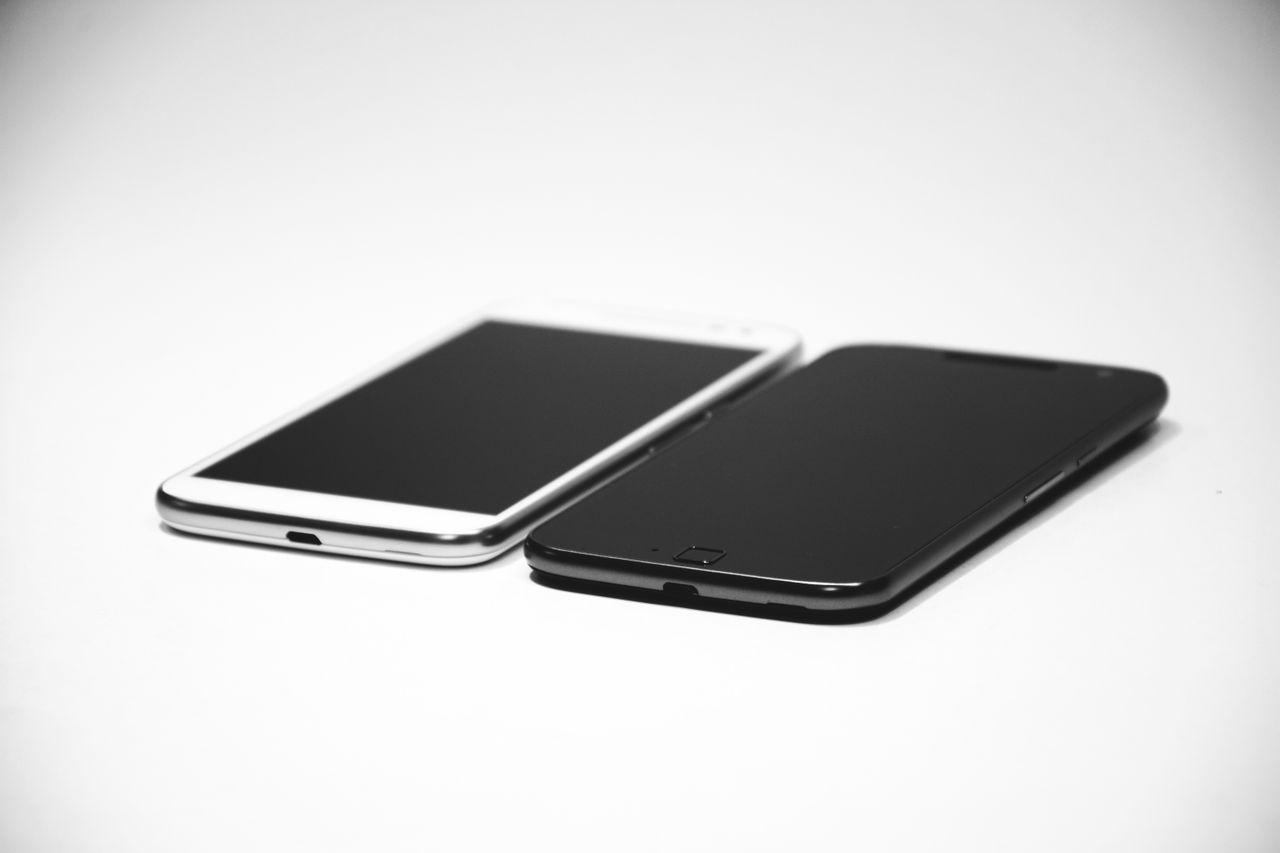
Your next phone is going to cost more than your last one. Not because it is dramatically better — because an AI data center on the other side of the world got first pick of the parts inside it.
That sounds like a stretch. It isn’t. It is the single clearest way the AI boom has reached into an ordinary person’s wallet, and almost nobody selling you a phone wants to explain it. So we will.
The moment it stopped being theoretical
For most of this year, rising phone prices were a forecast. This month they got a name attached.
Google’s own VP of Devices and Services confirmed publicly that the entire Pixel lineup — including the upcoming Pixel 11 — is getting price increases, and said plainly that memory costs are why. Leaked listings suggest the base Pixel 11 could start around $899. Google, by its own account, had shielded buyers as long as it could, and the economics finally forced its hand.
When a company as large as Google says out loud that it can no longer absorb a component cost, that is not a Google problem. That is the whole industry telling you what is coming.
Why a chatbot boom raises your phone’s price
Here is the chain, in plain terms.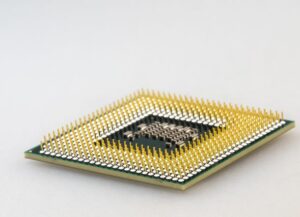
Every AI model you have read about this year — the ones we cover constantly — runs on enormous banks of specialized memory called high-bandwidth memory, or HBM. It is the fast, stacked memory that sits beside chips like Nvidia’s, and we explained that hardware in our AI chips guide and our piece on Nvidia’s Rubin chips.
Now the catch that ties it to your phone. HBM and the ordinary memory inside your phone are different products — but they are made in the same factories, from the same wafers. Only three companies, Samsung, SK Hynix and Micron, make the overwhelming majority of the world’s memory. And HBM earns them far more per wafer than phone memory does. TrendForce has estimated that producing a single gigabyte of HBM eats up roughly four gigabytes’ worth of standard memory manufacturing capacity.
So the factories did the rational thing. They pointed their production at the profitable AI memory and starved the consumer stuff. Reporting puts these three makers’ output now overwhelmingly tilted toward AI-bound memory, and Micron has said it is essentially sold out for 2026. Less phone memory, same demand, one result: the price goes up.
How much more — the actual numbers
This is where it stops being abstract. The forecasts are strikingly consistent across firms that rarely agree on anything.
| Source | What they project for 2026 |
|---|---|
| Gartner | ~130% jump in combined DRAM and SSD prices; smartphone prices up ~13%, PCs up ~17% |
| Counterpoint | Average smartphone selling price up ~6.9% year-on-year — nearly double its earlier forecast |
| Omdia | Budget-phone shipments down ~22% as brands cut back or downgrade specs |
Both Gartner and Counterpoint, as reported by CNBC, trace the cause to the same place: memory buyers for AI data centers are outbidding phone makers for the same parts. Memory now makes up more than 20% of what it costs to build a mid-range phone, up from the 10–15% range in prior years.
Who gets hit hardest (it’s not who you’d think)
The pain is not spread evenly. It lands almost entirely on the cheap end of the market — which is the cruel part.
On a flagship, memory is a small slice of a big price tag; a maker can absorb a memory increase by trimming elsewhere. On a budget phone, memory can be 25–30% of the entire build cost, and there is no fat left to cut. Some analyses now put memory near 60% of the bill of materials on the cheapest phones. The result is already visible: Nothing’s CMF sub-brand publicly cancelled its CMF Phone 3 Pro in June, naming the memory price surge as the reason — the first named casualty, and probably not the last.
So the phones getting squeezed out of existence are the affordable ones. Buyers on the tightest budgets are the ones being quietly asked to pay for the AI boom.
What this means for you
A few practical takeaways, since the point of this is your next purchase, not the semiconductor industry.
If your phone works, hold onto it. Every forecaster expects prices to keep climbing through 2026, with TrendForce projecting further double-digit increases quarter over quarter. Waiting is unlikely to be rewarded soon, but replacing early out of panic will cost you more, not less.
Buy more storage than you need now, if you’re buying anyway. The premium for extra memory and storage is only heading up. The jump from a 128GB to a 256GB model will likely look like a bargain in hindsight.
Don’t wait specifically for a cheap flagship. The mid-range “flagship killer” that defined value for years is the exact segment under the most pressure. That category may simply be thinner for a while.
If you’re weighing platforms anyway, this is a fine moment to think it through — our iPhone vs Android breakdown walks through the wider trade-offs, memory pricing aside.
The bottom line
The AI boom was always going to cost somebody something. It turns out one of the people paying is whoever walks into a store next year to replace a cracked screen and finds the same phone costs a hundred dollars more.
It is a strangely direct link between a technology most people use for free and a bill they did not expect. The same forces are pushing up the cost of electricity and data centers too, which we dug into in our piece on how much energy AI really uses. The chatbot is free. The hardware it runs on is quietly making everything else more expensive.
Figures above are drawn from published forecasts by Gartner, Counterpoint, IDC, TrendForce and Omdia and reporting by CNBC, as of July 2026. Projections vary by firm and may be revised as the memory market changes; treat specific percentages as estimates rather than fixed outcomes.
Over to you
How is this changing your next phone plan?
A) Holding onto my current phone longer than planned
B) Buying soon before prices climb further
C) Wait — AI is why phones cost more? I had no idea
Frequently Asked Questions
Why are smartphone prices going up in 2026? Mainly because of a memory shortage driven by AI. Data centers running AI models need huge amounts of high-bandwidth memory, and the three companies that make most of the world’s memory chips have shifted production toward it — leaving less, and pricier, memory for phones. Gartner projects smartphone prices rising about 13% in 2026 as a result.
Which phones are affected most? Budget and mid-range phones. On cheap phones, memory can be 25–30% or more of the total build cost, so there is no room to absorb the increase. Flagships are hit less because memory is a smaller share of their price. One budget model, Nothing’s CMF Phone 3 Pro, was already cancelled in 2026 over memory costs.
Will phone prices come back down? Not soon, according to forecasters. Because the shortage is driven by chipmakers deliberately favoring more profitable AI memory — not a temporary supply glitch — analysts like TrendForce expect prices to keep rising through 2026, with any relief likely years rather than months away.
Editor’s Observation
We spend a lot of words on this site explaining what AI can do. This story is about what it costs — and not in the abstract, philosophical way people usually mean. A teenager saving for their first phone is going to pay more because a data center three time zones away wanted the same memory chip. That is a real transfer, from the people with the least to the companies with the most, and it is happening quietly inside a price tag nobody reads closely. Worth saying out loud. — Anamika Dey, Editor