
Anamika Dey, editor
By TechSun News Desk | techsunnews.com | August 6, 2026 | Tech / AI / Trending | 6 min read
For years, there was a line no major Western PC maker would cross: putting Chinese memory chips in laptops.. That line is now bending — and the reason tells you just how strained the AI-driven hardware crunch has become.
Before anyone panics, the precise version matters here, so let’s be clear up front: this is limited, it’s reportedly happening, and it does not mean your next laptop has a Chinese chip in it. Here’s exactly what’s going on.
Why are HP, Asus, and Acer using Chinese memory chips?
HP, Asus, and Acer are reportedly using limited amounts of Chinese-made CXMT DRAM in selected budget laptop models sold outside the U.S. because the AI-driven memory shortage has made it difficult to secure enough supply from Samsung, SK Hynix, and Micron.
This is not a cost-cutting move. According to industry reporting, the change is primarily about securing enough memory chips to keep laptop production running during the AI hardware boom.
What actually happened With Chinese Memory Chips in Laptops
According to reporting first published by Nikkei Asia and covered by Tom’s Hardware, HP, Asus and Acer have quietly begun using small volumes of DRAM (the working memory in a computer) from a Chinese company called CXMT. The three completed the qualification process for these chips around mid-2026 and have since started using them in a very limited number of notebook models.
Every word of that sentence is load-bearing, so read it carefully. “Small volumes.” “A limited number of models.” And critically — these laptops are reportedly being sold in markets outside the United States, not in the US. This is also, at the time of writing, based on sources familiar with the matter rather than an official announcement from any of the three companies. Treat it as strong reporting, not confirmed fact.
Who is CXMT?
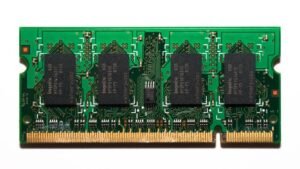
CXMT — ChangXin Memory Technologies — is China’s leading maker of DRAM. For most of the last decade, the global memory market has been dominated by just three companies: Samsung, SK Hynix and Micron, which together control more than 90% of DRAM production. CXMT is the newcomer trying to break into that club. If terms like DRAM and “memory” are fuzzy, our guide to the chips powering modern computing lays out how the pieces fit together.
There’s a geopolitical wrinkle worth stating plainly, because it’s central to why this is news. CXMT appears on a US Pentagon list of companies alleged to have ties to China’s military — though it is not currently under an outright US trade blacklist. Some lawmakers in Washington are reportedly pushing to change that. That backdrop is exactly why Western PC makers avoided CXMT for so long, and why doing this now is a notable shift.
Why HP, Asus, and Acer are turning to Chinese memory
Here’s the part that surprises people, and it’s the key to understanding the whole story: it is not about saving money.
You’d assume Chinese chips are the cheap option. They aren’t. Sources told Nikkei that CXMT’s DRAM is “definitely no cheaper” than Samsung’s. So why use it? Because the PC makers can’t get enough memory any other way. The AI infrastructure boom has pulled so much memory production toward data centers that consumer devices are being starved of supply — the same crunch we explained in our pieces on why your next phone costs more and why GPU prices exploded. This is the next chapter of that story: the shortage is now so severe that PC makers are crossing a line they’d held for years, just to secure any chips at all.
The pressure is measurable. IDC forecasts global PC shipments will fall 11.3% in 2026, and industry analysts have started calling the situation the “RAMpocalypse.” When the choice is a Chinese supplier or empty shelves, even cautious companies blink. (TechNode has more on the qualification timeline.)
Which laptops are reportedly affected?
This is where precision matters most, because the honest answer is narrower than the headline might suggest. The reporting points to a small number of budget notebook models, sold outside the US, using limited quantities of CXMT memory. Not flagship laptops. Not the US market. Not “all HP” or “all Asus” machines.
There’s also a supply reason the scope stays small: CXMT is reportedly prioritizing its Chinese customers, especially Huawei, which leaves little capacity for international PC brands even if they wanted more. So this is a trickle, not a flood — a meaningful foot in the door for CXMT, but far from a takeover of your local electronics store.
Should buyers worry about security or performance?
Two fair questions, and they deserve straight answers rather than either hype or dismissal.
On performance: probably not a real concern for most users. DRAM is a relatively standardized component, and CXMT’s chips passed the PC makers’ own qualification testing before being used. A budget laptop with CXMT memory should work like a budget laptop with any other memory. If it didn’t meet spec, it wouldn’t have cleared qualification.
On security: this is the more legitimate discussion, and it’s why the story carries a geopolitical charge. The concern isn’t that a memory chip “spies” on you — that’s not how DRAM works. The concern is broader supply-chain trust: whether hardware tied to a company on a Pentagon watch list belongs in Western devices at all, and how vulnerabilities in such chips would be disclosed and handled. Those are real policy questions. For an individual buying a budget laptop outside the US, though, the practical day-to-day risk is low, and US buyers are not affected by this at all as things stand.
What this means for laptop prices in 2026
Step back and the CXMT story is really a symptom, not the disease. The disease is the memory shortage itself, and it’s already showing up in what you pay.
PC makers have raised prices by several hundred dollars per machine, IDC expects shipments to keep falling through the fourth quarter, and no analyst expects real relief until 2027-2028, when new memory factories come online. The fact that HP, Asus and Acer are willing to source from a Pentagon-flagged supplier is the clearest signal yet of how desperate the supply situation is. It’s the same force reshaping phones, graphics cards and the AI chips inside your devices — all of it flowing back to the data-center buildout we covered in our piece on Nvidia’s Rubin chips.
For you, the practical takeaway is simple: laptop prices are staying high into 2027, budget models are where the squeeze is worst, and the supply chain behind your next machine is quietly getting more complicated — and more political — than it used to be.
The bottom line
Chinese memory chips showing up in Western laptops isn’t a scandal, and it isn’t nothing. It’s a limited, reported, non-US development that matters mostly for what it reveals: the AI boom has squeezed the memory supply so hard that PC makers are crossing lines they held for a decade — not to save money, but simply to keep building laptops at all.
Your next laptop almost certainly doesn’t contain a CXMT chip, especially in the US. But the reason this is happening — AI eating the world’s memory — is the same reason that laptop costs more than it would have a year ago. That’s the story worth watching.
Details above are based on reporting by Nikkei Asia, Tom’s Hardware and TechNode as of August 2026. The development is attributed to sources familiar with the matter and has not been officially confirmed by HP, Asus or Acer; specifics on models and volumes remain limited.
Over to you
Would the country a memory chip comes from affect your laptop purchase?
A) Yes — I’d want to know what’s inside my device
B) No — if it’s tested and works, I don’t mind
C) Wait — I never think about who makes my laptop’s memory
Frequently Asked Questions
Do HP, Asus, and Acer laptops have Chinese memory chips? Only a very small number reportedly do, and those are budget models sold outside the United States. According to Nikkei Asia’s reporting, the three PC makers began using limited quantities of CXMT memory around mid-2026. It is not present across their product lines, and US-market laptops are reportedly not affected.
Are Chinese CXMT memory chips cheaper? No. Sources told Nikkei that CXMT’s DRAM is “definitely no cheaper” than Samsung’s. PC makers aren’t using it to cut costs — they’re using it because the AI-driven memory shortage has made it hard to secure enough supply from the traditional makers (Samsung, SK Hynix and Micron) at any price.
Is it safe to buy a laptop with a CXMT memory chip? For everyday use, the practical risk is low — DRAM is a standardized component and CXMT’s chips passed the PC makers’ qualification testing. The concerns around CXMT are mainly geopolitical and supply-chain related (the company is on a US Pentagon watch list), not about a memory chip spying on you. US buyers are not affected by this development as things stand.
Editor’s Observation
The detail I keep coming back to is that the Chinese chips aren’t even cheaper. If this were about saving a few dollars, it would be an ordinary business story. Instead, HP, Asus and Acer are reportedly sourcing from a Pentagon-flagged supplier at the same price, purely because they can’t get enough memory anywhere else. That’s not a cost decision — it’s a desperation signal. And it’s coming from the same well every other story on this site keeps returning to: the AI boom is quietly bending the entire hardware supply chain around itself, and the effects are turning up in places nobody expected. — Anamika Dey, Editor





One thought on “Chinese Memory Chips Are Quietly Entering HP, Asus, and Acer Laptops — Here’s Why It Matters”