
Anamika Dey, editor
By TechSun News Desk | techsunnews.com | August 20, 2026 | Tech / Trending | 7 min read
Think about the last phone you bought. Now picture what the same tier costs today. Odds are it crept up — and not because of some dazzling new feature. A quieter force has been nudging prices for a while, and this week it left a fingerprint you can actually point to.
On August 19, Reuters reported that Samsung has raised the prices it charges to build chips — by as much as 15% on new orders. The change took effect back in July and slipped by without much noise. No launch event, no keynote. But it sits at the very front of a chain that runs all the way to the phone in your hand.
The short version: AI is swallowing the world’s chip-making capacity. That doesn’t mean AI is using every chip factory on the planet. It means the companies building AI are taking up more and more of the advanced capacity that chipmakers have—and everyone else is feeling the squeeze.
First, What Samsung Actually Raised
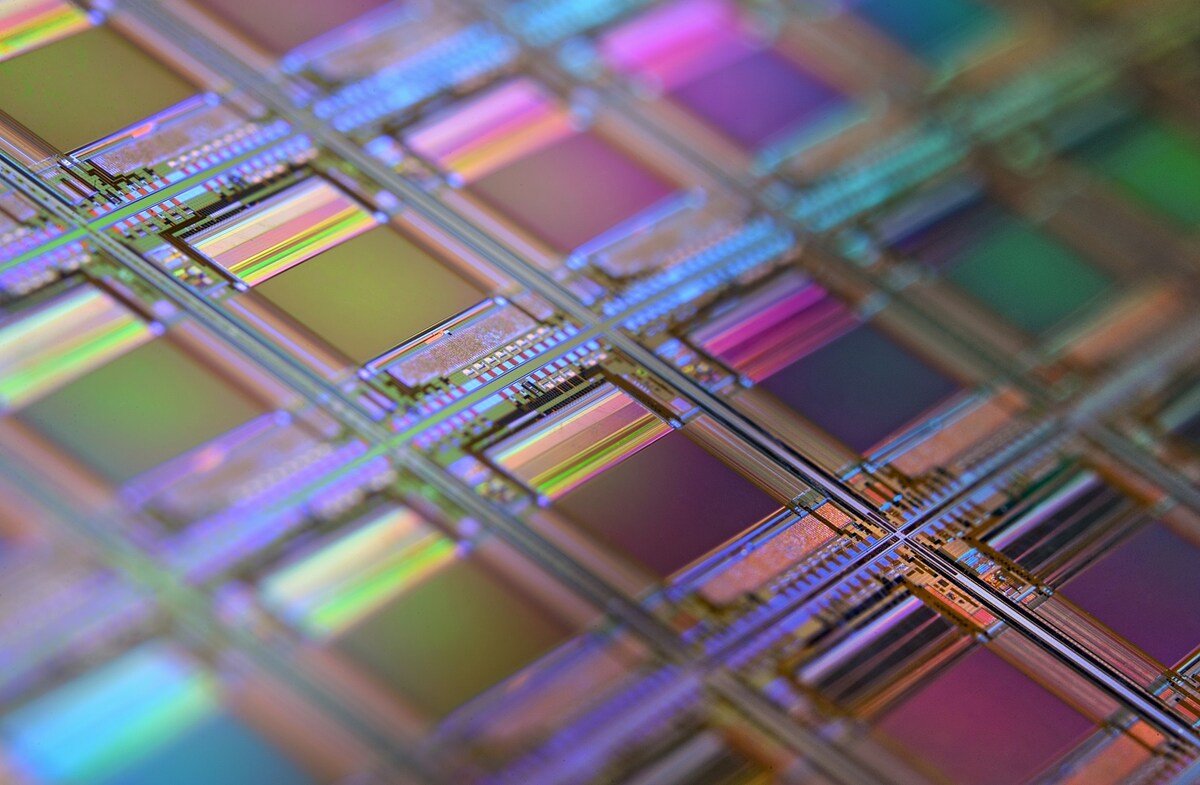
Samsung doesn’t only sell phones and TVs. It also runs a foundry — a factory that manufactures chips designed by other companies. Picture a high-end print shop for silicon: Qualcomm, Nvidia and others send in their blueprints, and Samsung’s foundry turns them into physical chips.
Those manufacturing prices are what went up. Citing two people familiar with the matter, Reuters reported that Samsung lifted prices on its most advanced lines — the 4-nanometer process (known as SF4) and the 5-nanometer process (SF5) — by 10 to 15% for new orders, while its older 8-nanometer line rose by nearly 10%. Customers in China and the United States are absorbing the steepest jumps.
Why now? Because the lines are full. When a factory can sell everything it produces, discounts stop making sense. Samsung has spent years as the underdog here, often cutting prices just to win work that the industry leader couldn’t take. That posture just flipped.
The AI Boom Is the Real Story
Here’s what changed the math. Artificial intelligence runs on chips — staggering quantities of them — and the companies building AI are spending at a scale the industry has never seen. Big Tech is on track to pour more than $700 billion into AI infrastructure this year, up from roughly $400 billion last year, according to figures cited by Reuters.
Every one of those data centers needs advanced processors and memory. And they’re built on the very same cutting-edge production lines that make the brains of your smartphone. There are only so many of those lines on Earth. When AI orders fill them, everyone else waits — or pays more to jump the queue.
Why TSMC Matters, Even in a Samsung Story
To see why Samsung suddenly has pricing power, look at the company above it. TSMC, based in Taiwan, towers over this business: in the first quarter of 2026 it took more than 70% of global foundry revenue, against Samsung’s roughly 7%, according to research firm Counterpoint. For years that gap forced Samsung to compete on price.
But TSMC’s advanced capacity is now largely booked out by AI orders. When the market leader is full, customers spill over to the next options — Samsung and Intel — and those alternatives can finally raise their own prices. TSMC itself has told customers to expect increases of 5 to 10% on its most advanced nodes from January, with some services reportedly climbing around 25% by 2027, according to Tom’s Hardware. As BNK Investment & Securities analyst Lee Min-hee put it to Reuters, customers are shifting to rivals like Samsung and Intel as TSMC tightens, which is prompting Samsung to raise prices too.
Put plainly: this isn’t one company having a moment. The entire leading edge of chip-making is getting more expensive at once.
Which Devices Could Feel the Squeeze
So what actually gets built on SF4 and SF5? The short answer is the expensive stuff. Flagship phone processors, laptop chips, graphics cards and the custom silicon inside AI hardware all lean on these advanced nodes. Reuters notes that Google is reportedly in talks to use Samsung’s SF4 process, and Tesla signed a chip-making deal with Samsung worth around $16.5 billion last year — a sense of who’s competing for these lines.
When the cost of making those chips rises, the pressure lands first on premium devices: high-end phones, the new wave of AI-capable laptops, and gaming GPUs — a squeeze we broke down in Why GPUs Are Suddenly So Expensive. If you want the plain-English primer on what SF4, NPUs and the rest of these chips even do, our GPUs, NPUs and TPUs explainer walks through it.
Will You Actually Pay More? The Honest Answer
This is where a lot of headlines overreach, so let’s be careful. A 15% increase at the foundry does not mean a 15% jump on your phone’s price tag. The chip is one component among dozens, and the foundry’s cut is only a slice of what a finished device costs to build. Manufacturers have moves: absorb part of the increase, negotiate volume deals, shift some products to cheaper older nodes, or accept thinner margins to hold their pricing.
That said, when costs climb across the whole industry and stay high, they tend to surface eventually — usually at the top of the range first. Independent forecasts already point that way. Counterpoint expects the global average selling price of smartphones to rise close to 7% next year, driven by component costs climbing 10 to 25%. Analysts at IDC and Omdia warn that budget phones will be hit hardest, because on a cheap handset the chips and memory make up a bigger share of the total cost — leaving almost no room to absorb anything.
So the fair conclusion is pressure, not a promise. Prices are more likely to drift up than down — especially at the premium and budget ends — but no single 15% figure lands directly in your cart.
This Stacks on Top of the Memory Shortage
Foundry pricing is only one of two forces pushing in the same direction. The other is memory. For months, makers of DRAM and NAND — the chips that hold your apps and photos — have been steering production toward AI data centers, which pay more, leaving less for phones and laptops. That’s why memory prices have been rising, and why some analysts expect 16GB phones to get pricier or scarcer. We unpacked that side of the story in Why Your Next Phone Costs More.
Put the two together — pricier logic chips from the foundry, pricier memory chips from the shortage — and you get steady upward pressure on the cost of nearly every device with a screen.
| THE BOTTOM LINE
Samsung raising foundry prices by up to 15% is a real signal — but it’s the opening link in a chain, not the final bill. Don’t brace for phones to jump 15% overnight; that’s not how component costs work. What’s fair to expect is gentle, persistent upward pressure on device prices for as long as AI keeps devouring chip capacity, with premium and budget phones feeling it first. If you were already thinking about upgrading, the trend line points up, not down — so timing, not panic, is the real takeaway. |
Frequently Asked Questions
Is Samsung raising the price of its phones?
Not directly — at least not because of this. The 15% increase applies to Samsung’s foundry business, which manufactures chips for other companies. It raises the cost of making chips, which can eventually filter into device prices across the industry, but it isn’t an announcement that Galaxy phones themselves are getting more expensive.
Will my next phone cost 15% more?
Almost certainly not. A 15% foundry increase is not a 15% phone increase — the chip is just one part of a device’s total cost. Independent forecasts point to smartphone prices rising closer to 7% on average next year, with budget models hit hardest, according to Counterpoint and IDC. Real, but far smaller than the headline number.
Why is AI making chips more expensive?
Because AI companies are buying chips in enormous volumes, filling up the world’s most advanced production lines. When those lines are full, chipmakers like Samsung and TSMC can charge more — and the limited capacity left over for consumer devices gets more expensive too.
| OVER TO YOU
Have you already noticed phones and laptops creeping up in price where you live — or does it still feel about the same? Tell us in the comments: would a slow, steady rise change when you buy your next device, or would you upgrade anyway? |
techsunnews.com | Tech / Trending | © 2026





One thought on “Samsung Just Raised Chip Prices by Up to 15% — Here’s Why Your Next Phone Could Cost More”